




Are you ready to start working as a medical assistant but not sure you want to work in a small clinic? The good news is that you have options. The education from CyberTex and the medical assistant skills you learn can take you far beyond a small clinic and into hospitals, long-term care facilities, and even leadership roles.
Working in a Doctor’s Office
As a medical assistant, a doctor’s office is where you will begin your career. Your day usually starts by checking in patients, taking their vitals, and getting rooms ready for exams. You might assist the doctor during procedures or explain care instructions to patients. Between patients, you could be answering phones, scheduling appointments, or filing lab results. It’s rewarding to watch someone’s health improve over time and know you play a small part in it.
Working in a Hospital
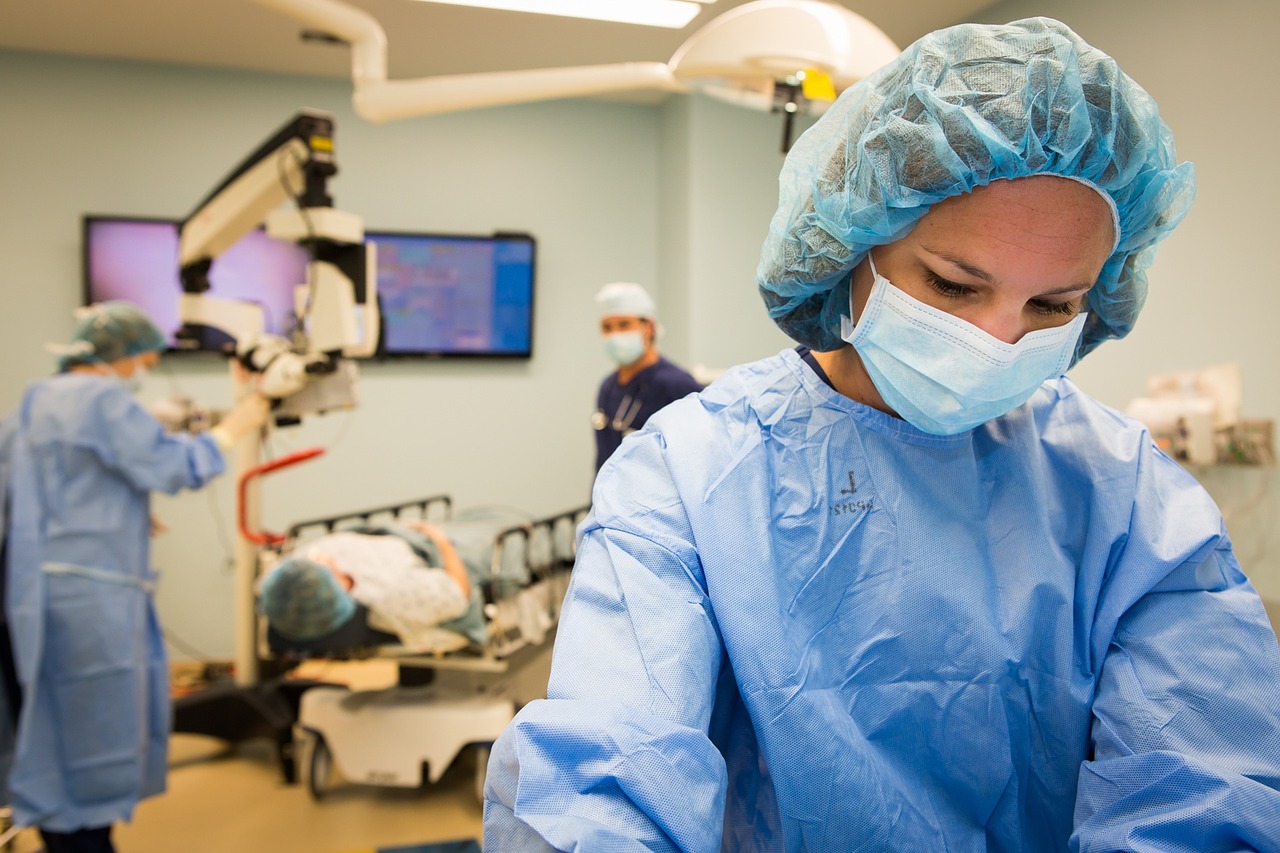
Hospitals are fast-paced, and no two days are alike. One day, you might help with EKGs in the cardiology unit. The next, you could be assisting in the emergency department or helping with patient discharges. Hospitals run around the clock, so shifts can include nights and weekends.
You will also see everything from trauma cases to newborn care. You will learn from nurses, doctors, and specialists every day. Many medical assistants who start in hospitals choose specific areas like surgery, pediatrics, or critical care. Over time, those interests can lead to new certifications or advanced roles.
Working in a Long-Term Care Facility
Long-term care facilities, such as nursing homes or rehab centers, offer a more personal experience. Instead of short visits, you will work with the same residents every day. You will take vitals, help with medication, and track any changes in patient health. The best part about working in a long-term care facility is that you will get to know each resident. You might celebrate birthdays, listen to memories, and be the friendly face they look forward to seeing.
Career Paths Beyond the Clinic
Being a medical assistsnt can be a foundation for many other roles.
Specializing in a Medical Field
Once you’ve become a medical assistant, you can choose to specialize in a specific area of medicine. Specialization allows you to develop advanced skills to work more closely with patients. For example, cardiology medical assistants help patients with heart-related conditions. They perform EKGs, stress tests, and cardiac monitoring, assisting cardiologists with diagnostic procedures.
Office Management and Administration
As you gain experience, you can become an office supervisor. In this role, you will oversee the daily operations of a medical facility, manage schedules, and ensure that everyone has what they need. You might coordinate between doctors, nurses, and medical assistants, handle staffing and training, and make sure the office complies with healthcare regulations.
Medical Billing and Health Records
Some medical assistants transition into billing or health information roles. In medical billing, you will work with patient data, insurance claims, and electronic health record systems. While this job takes you away from direct patient care, it keeps you in the service of patients. Some medical assistants even move up to medical billing supervisors after gaining experience and additional certifications.
Education and Training
After a few years in the field, many medical assistants decide to teach. Becoming an instructor allows you to share your experience with the next generation of medical assistants. Teaching can be deeply rewarding. You get to watch students grow into skilled professionals. Plus, it keeps you current with new trends and technology in healthcare.
From Student to Mentor!
We are exceptionally proud of Elaine Vinklarek! She began her journey with us as a Medical Assistant student, worked diligently to earn her certification, and successfully secured a great job in the field. Now, she has come full circle by training the next generation of students and sharing the skills and knowledge she has acquired. This is what success looks like: advancing in your career while uplifting others along the way.
Continuing Your Education
Many medical assistants go back to school to become licensed vocational nurses (LVNs). Since you already have hands-on healthcare experience, you will adapt quickly. Plus, you will have an
advantage over students entering nursing programs for the first time. The experience you gain as a medical assistant gives you a strong understanding of how healthcare systems work.
Why Career Growth Matters
Healthcare is always changing, and skilled workers are always in demand. Growing your medical assistant career keeps you learning and helps you find the path that fits you best. Each workplace gives you new experience. At CyberTex, the Medical Assistant program focuses on hands-on learning, small class sizes, and personal guidance.
Final Thoughts
Becoming a medical assistant is a smart way to start working in healthcare. You can work in a doctor’s office, hospital, or long-term care facility, and from there, you can branch out into management, education, or advanced clinical roles.
At CyberTex, you get real, hands-on training. You learn how to draw blood, perform EKGs, give injections, and use electronic health record systems. It’s the kind of training that prepares you for any healthcare setting, not just a small clinic.
Want Learn More?
The Medical Assistant Training Program at CyberTex Institute of Technology prepares you for the CCMA from the National Healtcare Association. The curriculum is centered around the knowledge and skills you will need when you take the CCMA exam.
At CyberTex, w take excellent care of you by providing hands-on training, practical experience, and the support it takes to get started in a medical assistant career without spending years in school. You will learn clinical and clerical skills and prepre to work in physician’s offices, hospitals, and other medical facilities.
Contact us today to learn more about our Austin and Killeen campuses.