

Austin runs on people who care. In hospitals, clinics, and senior homes across the city, Licensed Vocational Nurses (LVNs) are the ones keeping patients comfortable and cared for. They do the kind of work that often goes unseen but never goes unfelt. Every day, LVNs make a real difference in the lives of patients, families, and the healthcare teams they work with.
How LVNs Make a Difference in Austin’s Healthcare Workforce
LVNs make a large contribution to Austin’s healthcare workforce. Here are a few examples of how they make a difference:
The Heart of Patient Care
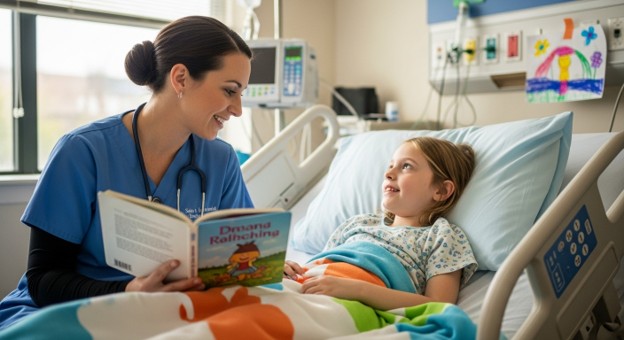
LVNs are often the first friendly face a patient sees. They check vital signs, change dressings, and help patients through recovery. In hospitals, they comfort those waking up from surgery. In nursing homes, they become part of residents’ daily lives.
Take an LVN working at St. David’s South Austin Medical Center. She might spend her shift checking pain levels for post-surgery patients, cleaning wounds, and helping people take their first steps after a procedure. It’s steady, careful work that makes all the difference between a slow recovery and a smooth one.
When patients feel seen and supported, they heal faster. LVNs make that possible.
Keeping Austin’s Healthcare System Strong
Austin keeps growing, and with more people comes more need for healthcare workers. Hospitals and clinics often face staffing shortages, especially in nursing. LVNs fill that gap. They take care of the essentials like checking on patients, recording information, and preparing medications, so doctors and registered nurses can focus on critical cases. When healthcare systems get busy, LVNs help everything stay balanced.
The Bridge Between Patients and Providers
Good communication can change everything for a patient. LVNs help make that happen. They explain medical instructions in plain language, listen to concerns, and make sure doctors and nurses hear what patients are feeling.
Imagine an LVN at a neighborhood clinic in East Austin helping someone understand how to take their new medication or manage their blood pressure. That five-minute conversation can prevent an ER visit later.
Bringing Care Home
Not all care happens in hospitals. Many LVNs bring their skills right to patients’ homes. They visit people recovering from surgery, managing chronic illnesses, or adjusting to life after a hospital stay. For some patients, these visits are a lifeline. An LVN might check wounds, help with medication, or simply offer reassurance that healing is on track. Agencies like Enhabit Home Health and Hospice rely on LVNs for these personal visits that allow people to recover safely in their own homes.
Supporting Austin’s Seniors
Austin’s senior population is growing fast, and that means more need for skilled caregivers. LVNs are at the center of that shift. They are the steady hands and caring hearts that keep nursing homes and rehab centers running.
At places like Cedar Ridge Rehabilitation, LVNs help residents recover from strokes, surgeries, or chronic conditions. They manage pain, monitor symptoms, and help seniors regain independence.
Playing a Role in Public Health
LVNs help Austin stay healthy as a whole. Many assist with public health projects, such as vaccine drives and health screenings. Their ability to adapt quickly makes them valuable in every situation, from large hospitals to community clinics. LVNs continue to help bring preventive care and education into local neighborhoods.
Team Players Who Keep Things Moving
Healthcare only works when everyone works together. LVNs are key people who keep nurses, doctors, and other specialists communicating. Because they spend the most time with patients, they are often the first to notice small changes that could mean something bigger. That kind of attention can prevent complications and sometimes even save lives. Whether they’re in an emergency department or a rehab center, LVNs help the team stay one step ahead.
Teaching and Mentoring Future Nurses
Many experienced LVNs also help train new students. They share lessons that only come from hands-on work. In Austin, CyberTex gives LVN students that same kind of experience through labs and clinical rotations. Instructors teach not just technical skills, but also the mindset it takes to care for people. Students learn how to stay calm under pressure, communicate clearly, and think on their feet. Those lessons are carried into every hospital, clinic, or home where they’ll eventually work.
A Career That Keeps Growing With You
For many, becoming an LVN is just the beginning. Some go on to become Registered Nurses (RNs) or specialize in areas like pediatrics, geriatrics, or wound care. Austin’s hospitals and clinics often support that growth because they know strong LVNs become even stronger leaders.
CyberTex’ LVN program helps students take that first step. With hands-on training, real clinical experience, and supportive instructors, students graduate ready to take the NCLEX-PN exam and step into the workforce with confidence.
Final Thoughts
Every shift, every patient, every small act of care adds up. LVNs don’t always get the spotlight, but their impact is felt. They comfort the scared, care for the sick, and help Austin’s healthcare system stay steady through it all.
If you’re looking for a meaningful career where you can make a difference right away, becoming an LVN is a great way to start. At CyberTex, you will get the training, support, and experience you need to start helping your community and make a difference in Austin’s healthcare workforce.
Want to Learn More?
After graduating from the Licensed Vocational Nursing program, you can apply to take the National Council Licensure Examination for Practical Nurses (NCLEX-PN), become a Licensed Vocational Nurse (LVN), and start your exciting new career immediately.
Having Questions? Contact us today to learn more about our Vocational Nursing program at the Austin campus.
