

If you’re interested in short-term training in healthcare, becoming a medical assistant is a practical way to get started. The work is hands-on and centered on helping patients during real clinic visits. Short-term training keeps things simple by skipping classes you won’t use and focusing on the skills you’ll rely on every day at work.
CyberTex’s Medical Assistant training program is designed for people who are ready to start working now. With campuses in Austin and Killeen, you can train close to home while building skills that transfer to many types of healthcare settings.
Why “Short-Term” Works for Medical Assistant Training
A medical assistant job is skill-heavy. You’re not just learning facts. You’re learning how to do tasks the right way, on time, and with patients watching. Short-term healthcare training works when it’s focused on repetition, practice, and real clinical routines.
Instead of spending years on broad coursework, you spend your time learning how to greet and check in patients, take and record vital signs, prep rooms and support providers, handle basic lab tasks, use electronic health records (EHR), and communicate clearly and protect patient privacy
That focus is the point. You don’t need a long timeline to build strong skills. You need the right training plan that matches what employers expect.
Core Medical Assistant Skills Short-Term Training Builds
Short-term healthcare training isn’t “quick and easy.” It’s fast-paced and practical. At CyberTex, students build skills in the same categories they’ll use on the job.
Skill #1: Patient Communication Skills
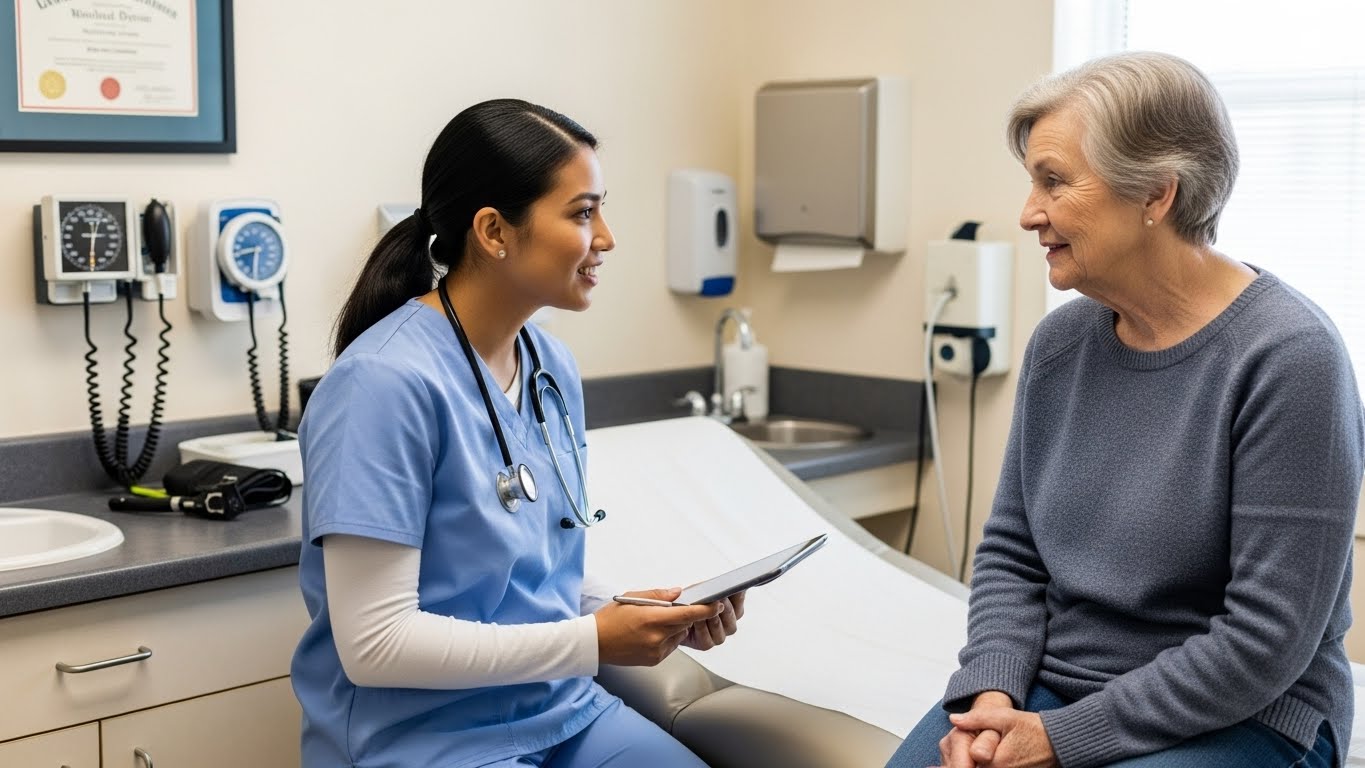
Medical assistants talk to people all day. You’re the first face patients see, and the person who keeps visits moving. Training helps you practice how to speak clearly, listen closely, and stay calm. You learn how to:
- Ask intake questions in a clear way
- Explain next steps without confusing patients
- Handle nervous or upset patients with respect
- Share messages between patients, nurses, and providers
A strong medical assistant knows how to keep things friendly while still staying on task. That’s a skill you can practice, and short-term training gives you lots of reps.
Skill #2: Vital Signs and Basic Clinical Skills
This is a big part of medical assistant work. Short-term training builds muscle memory. You practice until it feels normal. You learn how to:
- Take blood pressure, pulse, and temperature
- Record height, weight, and other key data
- Spot readings that look “off” and report them
- Follow clean, safe steps every time
These tasks sound simple, but accuracy matters. One medical error can lead to a wrong decision later. Training builds the habit of slowing down just enough to get it right.
Skill #3: Infection Control and Safety Habits
Healthcare runs on safety. Short-term training puts a strong focus on the habits that protect patients and staff. You learn:
- Hand hygiene and glove use
- Cleaning and room turnover routines
- Safe handling of supplies and tools
- How to lower the risk of cross-contact
These habits need to be automatic. The best way to get there is practice in a lab setting where instructors can correct small mistakes before they become big ones.
Skill #4 Clinical Support and Room Prep
Medical assistants help providers stay on schedule. That means rooms have to be ready, supplies must be stocked, and patients need to be prepped the right way. Training builds skills like:
- Setting up exam rooms based on the visit type
- Knowing what tools and supplies are needed
- Keeping workflows smooth during busy hours
- Helping the provider without getting in the way
Short-term programs that use real routines help students learn how to move with purpose.
Skill #5: Basic Lab and Test Support Skills
Many medical assistants support basic tests and lab tasks. Even when a clinic sends labs out, medical assistants often handle the first steps. In training, you may learn how to:
- Collect and label samples the right way
- Follow step-by-step testing processes
- Store items safely and track them correctly
- Avoid mix-ups through clean labeling habits
Short-term healthcare training helps you build a “check twice” mindset so you don’t rush through steps.
Skill #6: EHR and Front-Office Skills
Medical assistants often do both clinical and admin tasks. That mix is one reason clinics value the role. CyberTex training helps students build comfort with the front desk side of healthcare too. You learn skills like:
- Scheduling and basic appointment flow
- Updating patient info correctly
- Using EHR systems to document visits
- Handling phone calls and messages
Being able to switch between tasks is a real skill. Training helps you learn how to stay organized when the day gets busy.
What Hands-On Training Looks Like at CyberTex
The best medical assistant programs don’t just explain what to do. They help you do it, repeat it, and get feedback fast.
CyberTex’s training approach is built around practice. In labs and skills work, students learn by:
- Watching a clear demo
- Practicing the skill step-by-step
- Getting corrections from instructors
- Repeating until it feels natural
That kind of learning sticks. It also builds confidence. When you’ve done a task many times in training, your first day on the job feels less stressful.
Why Local Training Matters
Training close to home makes it easier to stay consistent. Consistency is how medical assistant skills build. When you’re not dealing with long commutes or big travel plans, it’s easier to show up, focus, and keep momentum.
Is Short-Term Healthcare Training a Good Fit?
CyberTex’s Medical Assistant program is a good fit if you want:
- A healthcare role that stays active and people-focused
- Training that teaches real tasks, not just theory
- A path that doesn’t require a 4-year college plan
- Skills that work in many types of clinics
If you like helping people and you want a job where your work matters every day, medical assisting may be a good fit.
Final thoughts
Short-term healthcare training works because medical assistant skills are built through practice, not time. When a program stays focused on real clinical tasks, you build the habits that employers want.
CyberTex’s Medical Assistant training program is built for students who want a direct path into healthcare. If you’re ready to stop waiting and start building real skills, medical assistant training is a smart next step.
Want to Learn More?
The Medical Assistant Training Program at CyberTex Institute of Technology prepares you for the CCMA from the National Healthcare Association. The curriculum is centered around the knowledge and skills you will need when you take the CCMA exam.
At CyberTex, we take excellent care of you by providing hands-on training, practical experience, and the support it takes to get started in a medical assisting career without spending years in school. You will learn clinical and clerical skills and prepare to work in physician’s offices, hospitals, and other medical facilities.
Contact us today to learn more about our Austin and Killeen campuses.
