
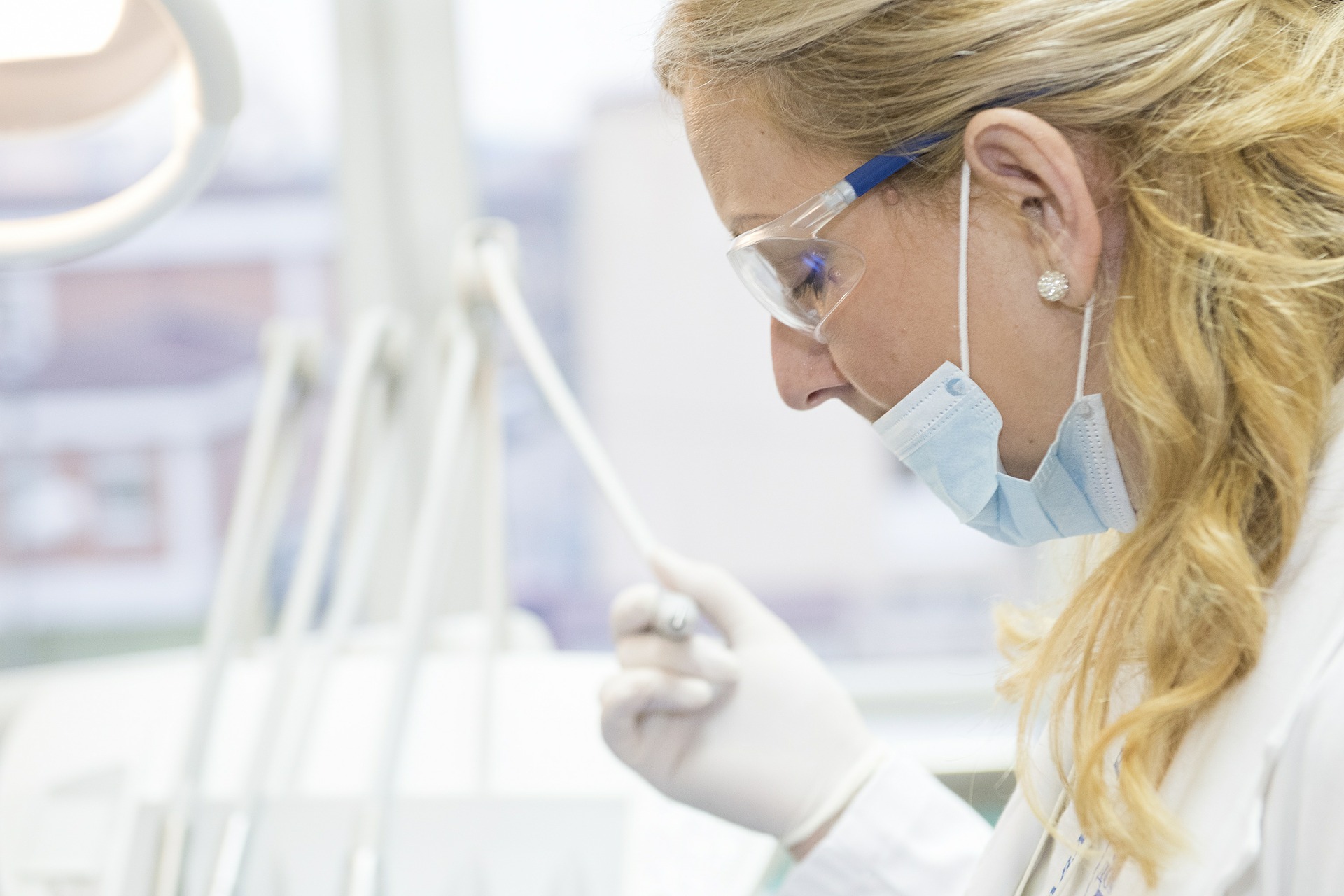

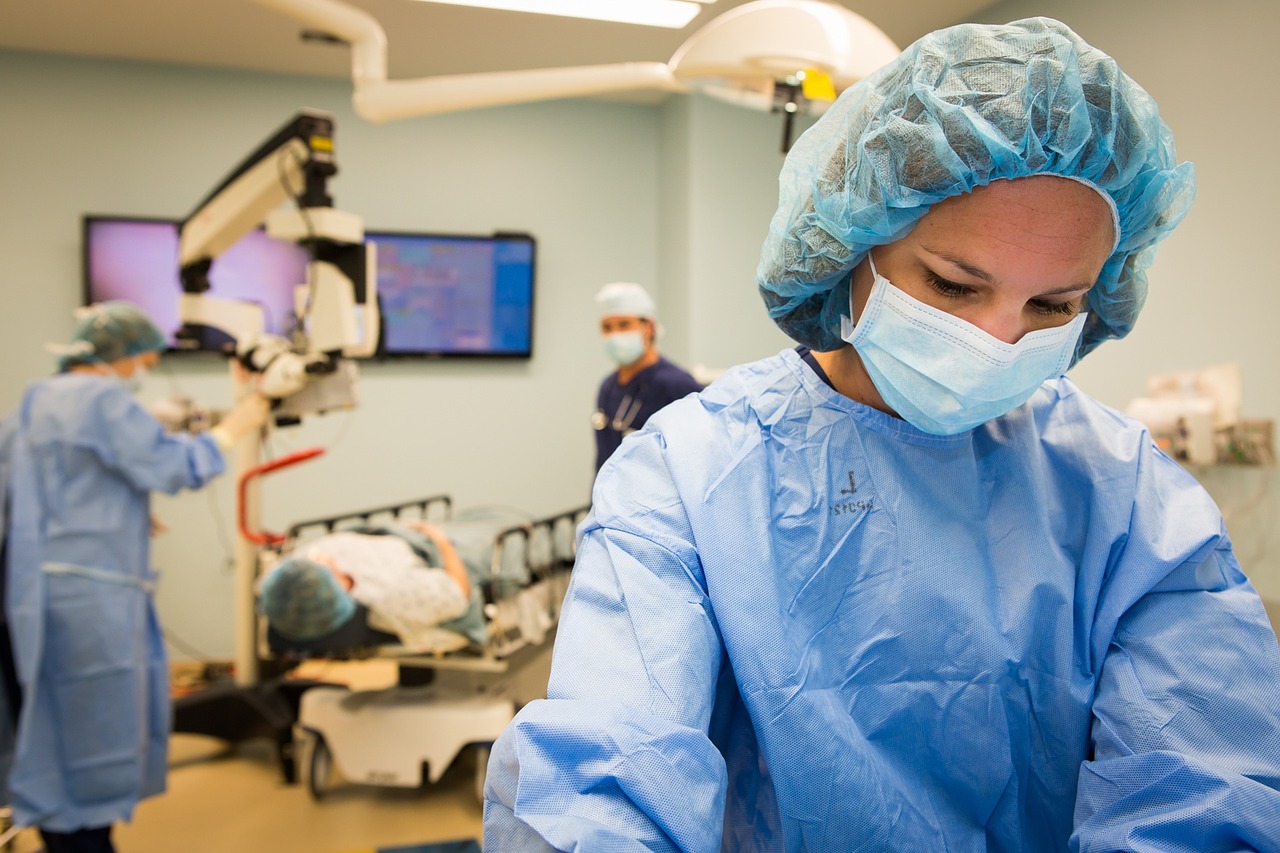

A lot of people want to work in healthcare but don’t want to spend four or more years in school. If that sounds like you, training as a medical assistant is a good place to start. CyberTex offers a Medical Assistant program built for people who learn best by doing. Every medical assistant class gives you real skills you will use with patients in a medical setting. So, what medical assistant classes are involved in the Medical Assistant program?
Top Medical Assistant Classes to Jumpstart Your Healthcare Career
Here is a closer look at the classes you take and what you learn along the way.
Introduction to Medical Assisting
This first medical assistant class helps you understand what a medical assistant does. You learn about a normal day, how clinics run, and what patients need from you. You also practice simple communication skills that help you talk with people who may feel nervous or sick. By the end of this class, you will know what to expect when you start your first day on the job.
Medical Terminology
Medical words can feel intimidating at first. This class breaks them down into roots, prefixes, and suffixes so they make sense. Once you understand the building blocks, you can read charts and follow directions without getting lost. This makes your training smoother and your work much easier in more advanced classes.
Anatomy and Physiology
You don’t need to be a doctor to help patients, but you do need to understand how the body works. This class covers the 11 major body systems and how they connect. You learn how the heart pumps, how the lungs move air, and how the nerves send signals. This helps you pick up on important details during exams.
Clinical Procedures
This is the part most students look forward to. You learn how to take vital signs, prepare exam rooms, update charts, and help during simple procedures. You will practice taking blood pressure, checking pulse, and gathering patient information. These are skills you will use every single day, so you get plenty of time to practice until you feel confident.
Phlebotomy
Drawing blood is one of the most valuable skills in healthcare. In this class, you learn how to choose a vein, collect a clean sample, and keep patients calm. You also learn safe needle handling and how to label samples the correct way.
Electrocardiography (EKG)
EKG testing helps check heart rhythms. You learn how to set up the EKG machine, place the leads in the right spots, and run the test without errors. You also learn how to spot anything unusual and report it quickly. Clinics and urgent care centers often run EKGs, so this skill helps you stand out.
Medical Office Procedures
Behind every clinic is someone who knows how to keep the front office running. In this class, you learn how to schedule appointments, check in patients, update files, and handle digital records. You also practice phone and customer service skills.
Medical Billing and Coding Basics
Medical offices use codes to describe visits, treatments, and procedures. This class helps you understand basic coding systems like ICD-10 and CPT. You learn how insurance claims work and how to avoid simple mistakes that slow down payments. Even if you don’t plan to work full time in billing, this knowledge makes you more helpful in any office.
Pharmacology Basics
Medication safety is a major part of patient care. In this class, you learn how drugs are grouped, how they work in the body, and how to read medication orders. You also practice documenting medications the right way.
Infection Control
Clean hands and clean rooms protect patients. This class shows you how infections spread and how to stop them. You learn proper handwashing, PPE use, and how to sanitize exam rooms.
Labs and Diagnostic Testing
Many clinics run small lab tests in-office. In this class, you learn how to collect samples, run simple tests, and record results. You also practice using basic lab equipment and following safety steps that keep samples clean. These small tasks play a big part in helping doctors make quick decisions.
CPR and First Aid
This medical assistant class covers CPR, choking response, and basic first aid. These skills help you inside the clinic, and anywhere else life takes you.
Externship
Your externship is the final step. CyberTex places you in a real clinic or doctor’s office in Austin or Killeen. You work with patients and medical teams. It’s the best way to take what you learned in class and use it in day-to-day care.
Why These Medical Assistant Classes Matter
Every class builds a skill you will use in the real world. By the time you finish the Medical Assistant program, you can:
- Talk with patients in a clear, friendly way
- Support doctors and nurses during exams
- Take vital signs and run simple tests
- Draw blood and perform EKGs
- Keep patient records updated and accurate
- Stay organized during busy clinic days
Final Thoughts
If you want a career that makes a difference and you want to start soon, CyberTex may be the right choice. The Medical Assistant program gives you the training, practice, and confidence you need to begin working in healthcare without waiting four or more years to get started. Let our medical assistant classes jumpstart your healthcare career.
Want to Learn More?
The Medical Assistant Training Program at CyberTex Institute of Technology prepares you for the CCMA from the National Healthcare Association. The curriculum is centered around the knowledge and skills you will need when you take the CCMA exam.
At CyberTex, we take excellent care of you by providing hands-on training, practical experience, and the support it takes to get started in a medical assisting career without spending years in school. You will learn clinical and clerical skills and prepare to work in physician’s offices, hospitals, and other medical facilities.
Contact us today to learn more about our Austin and Killeen campuses.
