


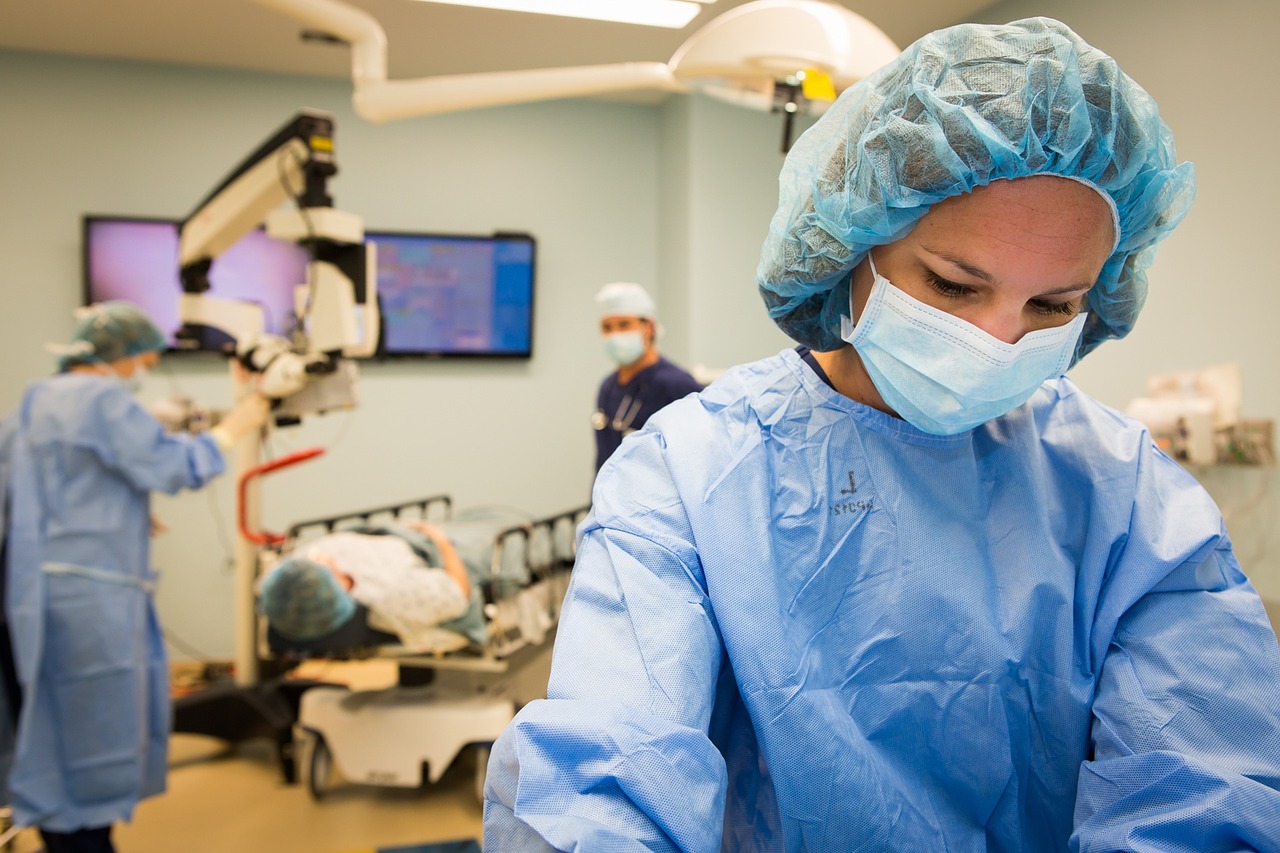

Learning to be a nurse is a lot like learning to swim; you can read about strokes, watch videos, and study safety rules, but until you get in the water, you won’t truly know how to swim. That’s where clinical rotations come in. For vocational nursing students, clinicals are the part of training where you practice what you learned in the classroom. It’s where future nurses build the confidence to care for patients with skill and purpose.
What are Clinical Rotations?
Clinical rotations, also known as hospital rounds, are scheduled visits by a team of healthcare professionals, often including doctors, nurses, medical students, physician assistants, and other specialists, to check on the status of hospitalized patients. These visits typically occur once or twice a day, usually in the morning, and serve as an opportunity to review the patient’s condition and discuss care plans.
There are different types of rounds:
- Attending Rounds led by a senior physician overseeing the care team.
- Clinical Rotations focused on educating medical students and residents.
- Multidisciplinary Rounds that include a broader team such as social workers, case managers, and pharmacists.
During rounds, the team enters each patient’s room, reviews charts, discusses treatment progress, asks the patient questions, and updates the care plan.
Why Are Hospital Rounds Important?
Hospital rounds play a central role in delivering quality, coordinated care. Here are a few reasons why they are so important:
Enhancing Patient Care
Rounds allow every member of the care team to get on the same page. By openly discussing diagnoses, lab results, medications, and next steps, rounds reduce the chance of miscommunication and medical errors.
Timely Decision-Making
When doctors and nurses work together to assess a patient, they can make decisions more quickly. This efficiency can improve outcomes and shorten hospital stays.
Patient Engagement
Rounds are often a patient’s opportunity to meet the entire team and hear about their care plan. When done well, rounds make patients feel heard and included in their recovery process.
Medical Education
Teaching rounds provide invaluable learning experiences for students. They get to observe clinical decision-making, ask questions, and apply theoretical knowledge in practical ways.
Team Collaboration
Hospital care requires a team effort, and rounds promote collaboration among different specialties and departments. This helps support a patient’s health, including their medical and emotional health.
Why Are Clinical Rotations Important?
Clinical rotations happen near the end of your Vocational Nursing program and take place in hospitals, clinics, or doctor’s offices. During this time, you work with patients under the supervision of licensed healthcare professionals. They help you build confidence and gain hands-on experience, preparing you for your new career. Here are some of the other important reasons for clinical rotations:
Turning Classroom Learning into Hands-On Training
Clinical rotations give you the chance to apply what you have learned in class. Instead of reading about vital signs, you get to perform them and get direct feedback on your technique. This experience builds confidence and understanding. It’s one thing to learn how to draw blood from a textbook, but it is another to do it on a patient.
Each Rotation Covers a Specific Area
Every rotation focuses on a certain type of care. For example, you might rotate through pediatrics, geriatrics, surgery, or emergency care. These focused experiences help you see how each part of healthcare works and where you might want to work in the future.
Soft Skills That Can’t Be Taught in a Book
Clinical rotations help you build communication and teamwork skills. You learn how to talk to patients, ask the right questions, support a team of medical professionals, and handle stress. You also learn how to work side-by-side with other nurses.
Know What You Are Getting into After Graduation
This is often the first time you follow a shift schedule, wear scrubs, and handle daily tasks. It helps you understand the pace and demands of healthcare. You also learn how to stay organized and focused.
Build Your Network
During clinical rotations, you will meet professionals who can offer advice or recommend you for jobs. In some cases, you may even be offered a position at the same place where you did your rotation.
Why Vocational Nurse Clinical Rotations?
Clinical rotations are a major part of every vocational nursing program. They give you the hands-on experience you need to build confidence. In the classroom, you learn the “what” and the “why.” In clinicals, you learn the “how.”
Gain Confidence
In your first few days of clinical rotations, it’s normal to feel nervous. But each week builds your confidence. Tasks that once seemed hard become second nature. You’ll get better at managing your time, following nurse instructions, and handling unexpected situations. These are critical skills for any LVN.
Hands-On Experience
Nursing isn’t just about giving medicine or changing dressings. You also must listen, stay calm, and speak clearly. Clinical rotations are the perfect time to build your communication skills. You’ll talk to patients, comfort families, and work side-by-side with nurses and doctors. These honest conversations teach you how to be a nurse, not just act like one.
Final Thoughts
At CyberTex, vocational nursing students complete clinical training in healthcare settings around Austin and Killeen. These experiences are built into the program and are required for graduation. They help you apply what you have learned in class and prepare for the Texas NCLEX-PN exam.
Want to Learn More?
After graduating from the Licensed Vocational Nursing program, you can apply to take the National Council Licensure Examination for Practical Nurses (NCLEX-PN), become Licensed Vocational Nurses (LVNs), and start your exciting new careers immediately.
Having Questions? Contact us today to learn more about our Vocational Nursing program at the Austin campus.
