




Congratulations on obtaining your high school diploma. It was a challenge, but well worth it in the end. So, are you considering your next steps? While traditional college is the standard path, you may be surprised by the benefits of a trade school. First, we will look at both a trade school vs a traditional college and then talk more about the benefits of attending a trade school. By the end of the blog, you will be able to make a more informed decision about your future. Choosing an educational path can be confusing, but CyberTex is here to help.
What is a Traditional College?
A traditional college is a four-year school where students earn a bachelor’s degree. These schools usually have large campuses, lecture halls, and student housing. Students follow a set academic schedule that includes general education and major-specific courses. Most classes take place during the day, Monday through Friday.
Traditional colleges focus on academic knowledge and often include subjects like math, science, history, and literature, even if they aren’t related to a student’s career goals. Most traditional colleges offer degrees like a Bachelor of Arts (BA) or a Bachelor of Science (BS). Some students continue on to graduate school to earn master’s or doctoral degrees.
Traditional college is often seen as the “standard” route after high school, but it isn’t the only option. For students who want to get to work faster, trade schools, like CyberTex, can be a better fit. Choosing the right path depends on your career goals.
What is a Trade School?
A trade school, also known as a vocational or technical school, is focused on careers. Instead of spending four years on general education, students learn only what they need to start working. Programs are shorter and focus on high-demand fields like nursing, HVAC, medical assisting, and computer networking, helping to bridge the skills gap in industries that are urgently seeking qualified professionals.
At trade schools, you will learn by doing. For example, a nursing student practices with clinical rounds. A medical assistant learns how to take vital signs and prepare patients. The goal is to prepare you for the job from day one.
Classes are often smaller, with more one-on-one support from instructors. Some schools, like CyberTex, offer flexible schedules for working students.
Trade school is about learning skills that lead directly to a job. If you’re ready to build a career without spending four years in college, trade school might be the right path for you.
What is the Difference Between a Trade School vs Traditional College?
When deciding your next step after high school, it helps to understand how trade schools and traditional colleges compare. Here are the key differences:
Length of Program
Trade School: Most programs last 6 to 18 months. For example, CyberTex offers HVAC, Medical Assistant, and Network Engineer programs that can be completed in under a year.
Traditional College: A bachelor’s degree usually takes 4 years to finish.
Type of Learning
Trade School: Focuses on hands-on, skill-based training. HVAC students, for instance, learn by using industry-standard tools and equipment.
Traditional College: Emphasizes classroom lectures and theory. Even students studying business or marketing often take general courses like history or biology.
Career Focus
Trade School: Prepares students for specific jobs, such as becoming an HVAC technician, network technician, or medical assistant.
Traditional College: Offers a broad education. Graduates may need additional training or experience before landing a job in their field.
Cost
Trade School: Lower total cost because of shorter programs and fewer fees.
Traditional College: Higher tuition, plus room, board, and textbooks over four years.
Job Readiness
Trade School: Students are ready to work right after graduation with certifications in hand. Plus, CyberTex helps graduates find jobs with resume building and interview preparation.
Traditional College: May need internships or grad school before starting certain careers.
What are the Benefits of a Trade School?
If you’re looking to start a career without spending four years in school, trade school can be a smart choice. Here are the main benefits:
Benefit #1: Faster Graduation
Most trade school programs can be completed in months, rather than years. At CyberTex, programs like Medical Assisting can be completed in as little as 45 weeks. That means you can start working sooner.
Benefit #2: Hands-On Training
Trade schools focus on learning by doing. HVAC students learn in a workshop. Network students set up real computer systems. This approach helps you build the exact skills you’ll use on the job.
Benefit #3: Career-Focused Curriculum
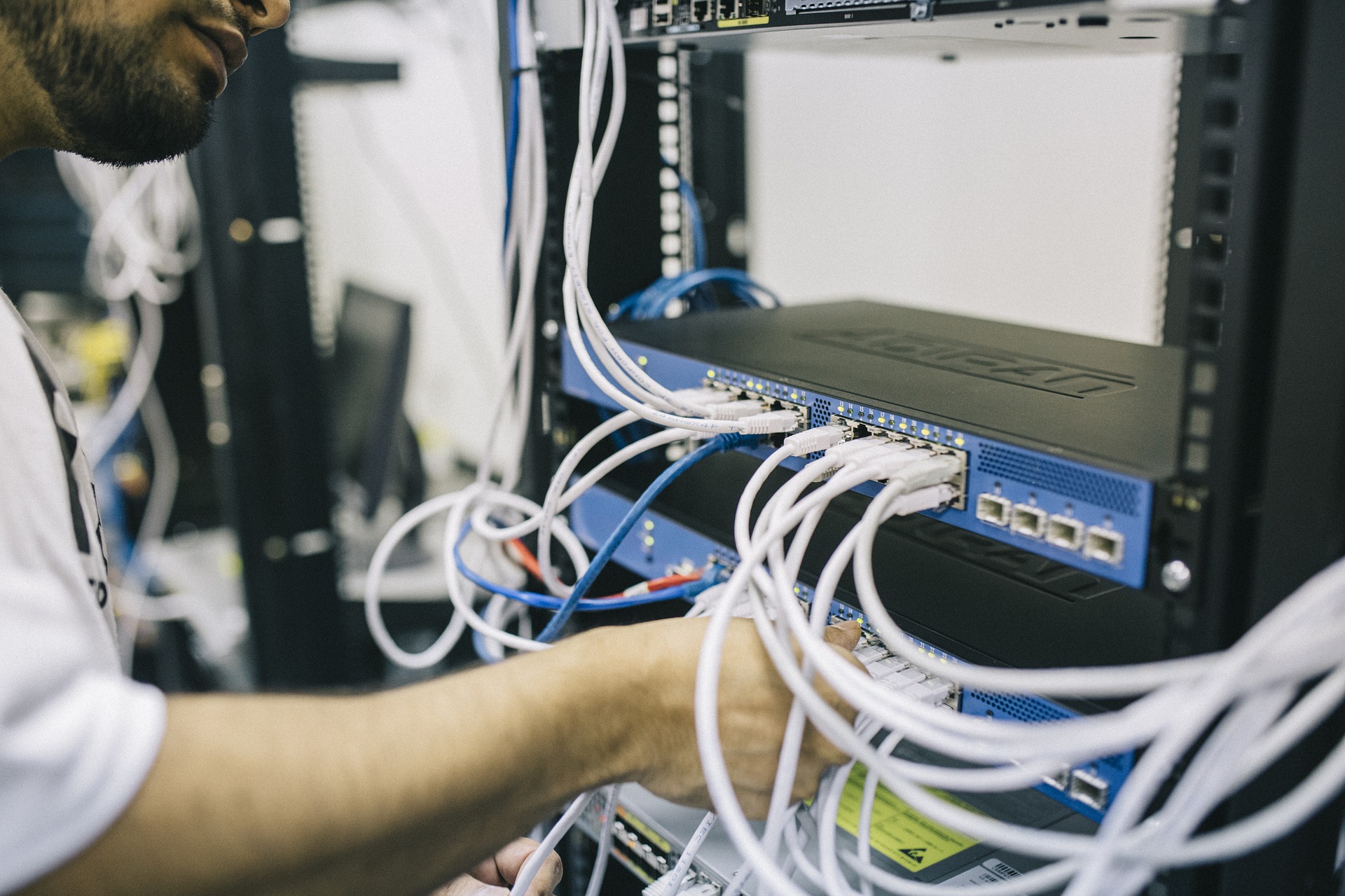
You only take classes that apply to your field; there are no electives or general education requirements. For example, a student in the Computer Networking program at CyberTex learns about routers, switches, and security, not history or literature.
Benefit #4: Smaller Class Sizes
Trade schools often have fewer students per class. This allows for more one-on-one attention and support from instructors.
Benefit #5: Certifications That Count
Most programs include industry-recognized certifications. These prove your skills to employers and help you stand out when applying for jobs.
Final Thoughts
Now that high school is completed, it is time to start looking toward your future. CyberTex is here to help you decide the next chapter in your life. Contact our admissions representatives to learn more about the trade programs we offer to help you learn a trade and start earning quickly.
Want to Learn More?
CyberTex offers short-term technical training programs in the Information Technology, Medical, Healthcare, and Construction Trades. We are a student-centric institute that equips students with workplace skills for initial employment, paving the way for desired and financially stable careers.
Contact us today to learn more about our CyberTex campuses in Austin and Killeen.