

Starting a career college training program is a lot like learning to drive a car; you can read the manual, but until you sit behind the wheel and give the car some gas, you won’t know what it’s really like. Career college training works the same way. Instead of just listening to lectures, you spend your time practicing skills and working through real scenarios. In-person, hands-on classes give you the chance to learn by doing, so when it’s time to start your new career, you’re ready to sit in the driver’s seat.
What is Career College Training?
Career college training is short-term education that prepares you for a specific job. Programs often last anywhere from a few months to a year or so. The focus is on practical training rather than theory.
These programs cover industries like healthcare, information technology, and skilled trades. For example, you might complete a program at CyberTex to become a licensed vocational nurse, a medical assistant, an HVAC technician, or a network engineer. Again, career college training is in-person and hands-on.
Why Hands-On Training Matters
Reading about a skill is important, but you must do the work to fully grasp the concepts. For that reason, career colleges put you in real-world situations so you can practice before stepping into the workplace.
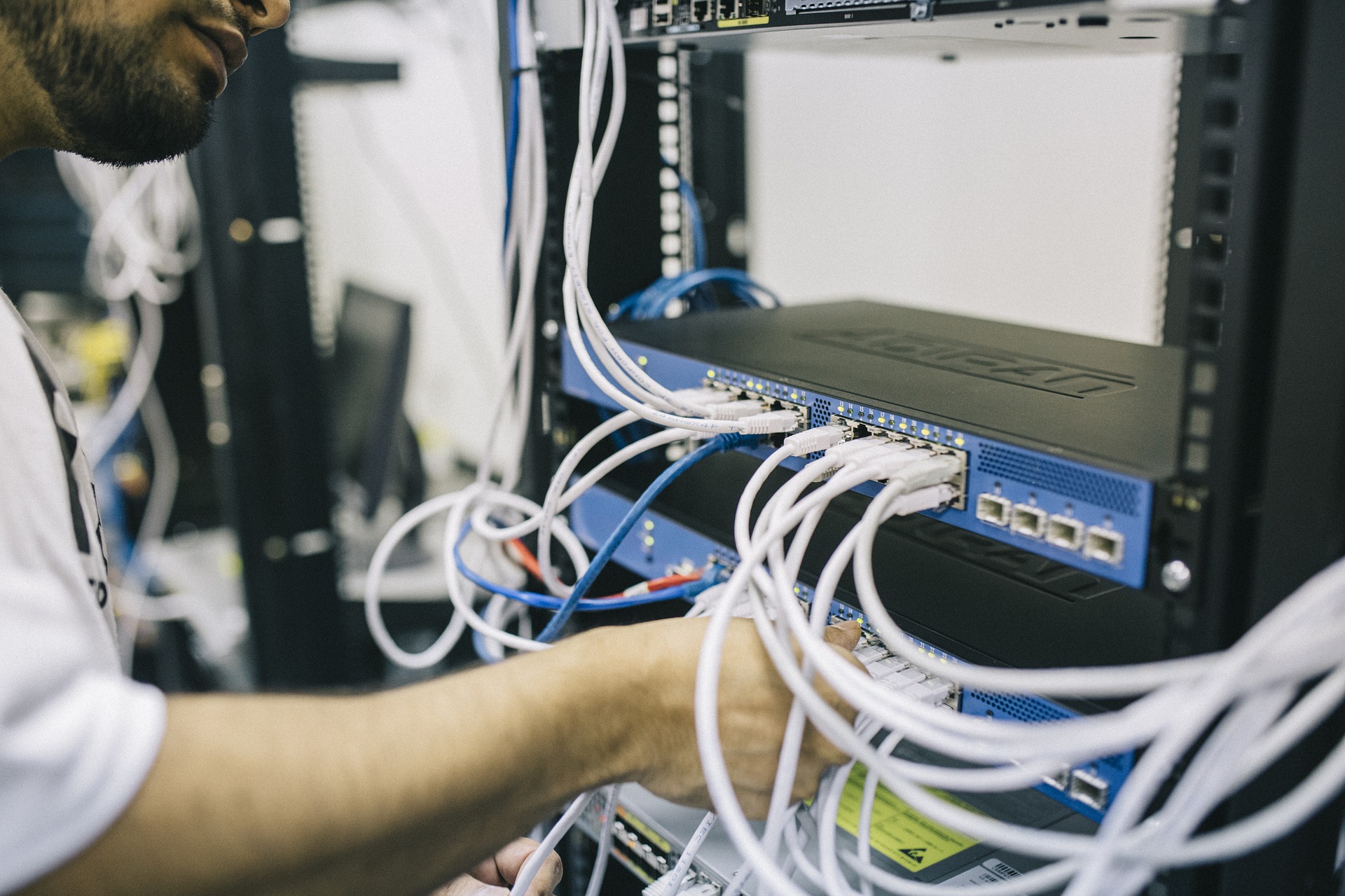
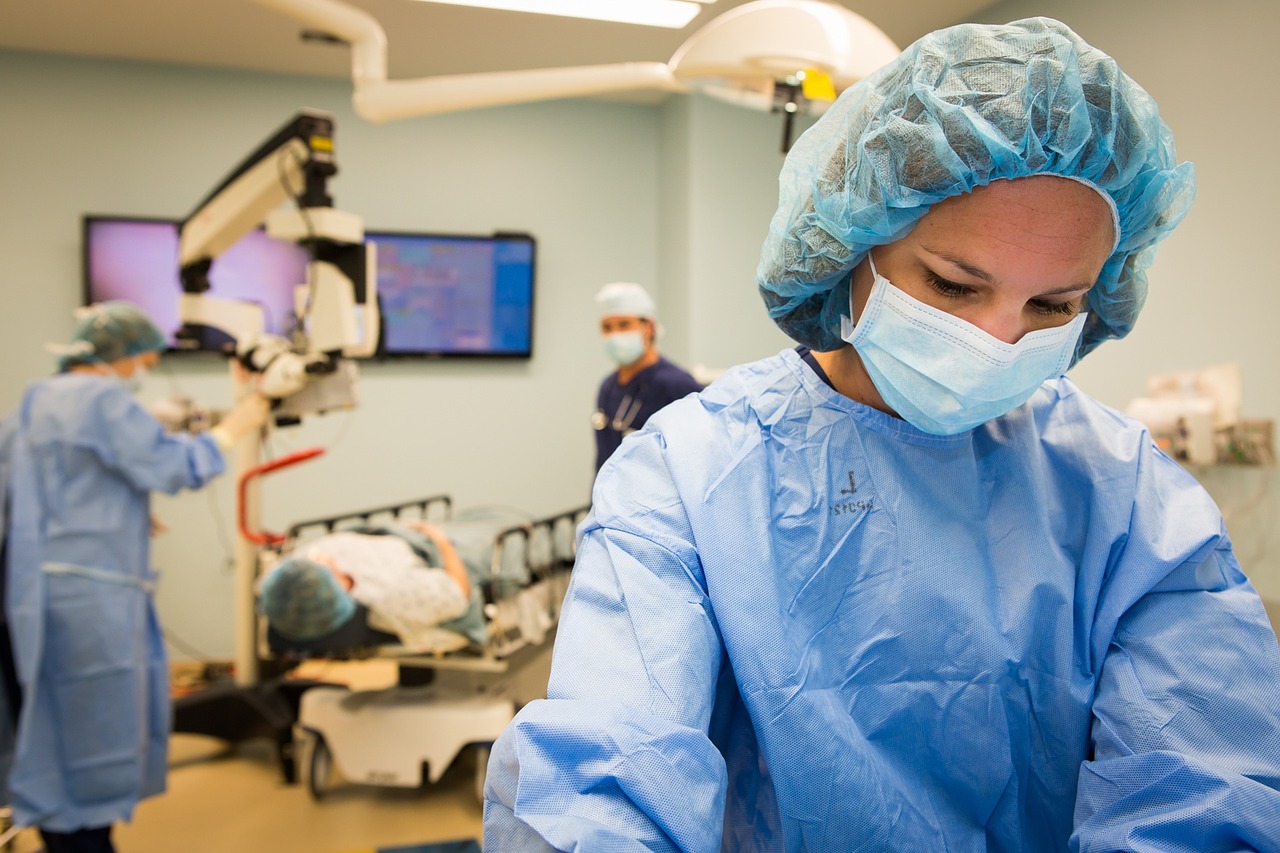
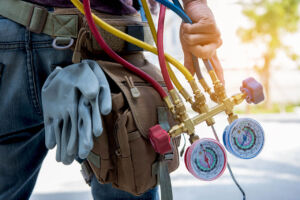
Hands-on training allows you to work with the same tools and industry-standard equipment you will see on the job. For example, nursing students practice patient care in labs with mannequins before working with real patients in clinical settings. HVAC students use industry-standard heating and cooling systems to learn repairs and installations. IT students set up networks and troubleshoot systems just like they would in an office. Hands-on training is invaluable for preparing you for your new career.
The Role of In-Person Learning
While online education has become widely accepted, many careers require in-person training to be effective. Skills like drawing blood, wiring a control panel, or calming a patient in distress can’t be mastered while reading a book. Career colleges focus on classroom and lab time so you can work directly with instructors and peers.
In-person instruction also makes it easier to ask questions and get immediate feedback. If you make a mistake while practicing a medical procedure or setting up equipment, your instructor can correct it, allowing you to learn from your mistakes. This guidance helps you learn faster and prevents minor errors from becoming bad habits.
What Classes Look Like
Career college classes are structured around skill-building. Instead of large lecture halls, you will find small classrooms or labs. Instructors have industry experience, so they bring real-world experience into the classroom.
For example, in a nursing program, you might start with a lecture on infection control, watch your instructor demonstrate proper hand-washing and protective equipment, and then practice those steps yourself. Later, you’ll move on to more advanced tasks like drawing blood, always with guidance until you’re confident.
Additional Benefits of Career College Training
Career college training offers advantages that go beyond getting a certificate or diploma. These benefits focus on helping students gain the skills and confidence they need to start working quickly and effectively.
Shorter Timeframe to a Career
One of the biggest advantages of a career college, like CyberTex, is how quickly you can start working after graduation. Many of our programs can be completed in less than a year. Students can graduate and enter the workforce much faster, which means they start earning sooner.
Focused, Practical Learning
Unlike traditional colleges that require years of general education classes, CyberTex focuses on the core subjects you need for your job. If you’re training to become a licensed vocational nurse, you will study nursing fundamentals, pharmacology, and clinical skills. This makes learning more efficient and keeps every class relevant.
Smaller Class Sizes and Personal Support
In general, career colleges have smaller class sizes compared to large universities. This gives instructors more time to work directly with each student. If you’re struggling with a skill, you can get personal feedback right away.
Industry-Experienced Instructors
Most career college instructors have worked in the fields they teach. They bring real-world experience into the classroom. Instead of only learning from a textbook, you gain insights from instructors who have already worked in hospitals, clinics, IT departments, or on job sites.
Career Services and Job Placement Support
Another important benefit is the support you receive from our career services department. CyberTex offers resume-building assistance, interview coaching, and identifies connections with local employers. We even partner with businesses in the community that hire graduates directly.
Flexible Scheduling
Are you working or raising a family? We understand. That’s why programs include day and evening class options. This flexibility allows you to balance school with other responsibilities, because your personal responsibilities shouldn’t interfere with your ability to get a good education.
Externships and Clinical Rotations
Programs include externships and clinical rotations. You will gain real-world experience in hospitals, clinics, or offices while supervised by professionals. These opportunities not only build confidence but also often lead to job offers before graduation.
What Training Do Career Colleges, like CyberTex, Offer?
CyberTex focuses on practical programs that prepare you for jobs that you are passionate about. At CyberTex, the training is built around hands-on, in-person learning, so you graduate ready to work. Here’s a look at the training CyberTex offers:
Licensed Vocational Nurse Program
The LVN program prepares students for direct patient care in medical facilities like hospitals and clinics. Training includes classroom instruction, lab practice, and clinical rotations. Students learn skills like taking vital signs, administering medications, wound care, and supporting patients through recovery. The combination of theory and hands-on experience prepares graduates to sit for the NCLEX-PN exam and apply for state licensure.
Medical Assistant Program
The Medical Assistant program combines clinical and administrative training. Students learn how to take patient histories, draw blood, perform EKGs, and assist doctors during exams. They also practice scheduling appointments, handling insurance forms, and using electronic health records. Finally, the program includes an externship, where students gain real-world experience in clinics or doctors’ offices.
Network Engineer Program
CyberTex offers training in information technology through the Network Engineer program. Students learn how to set up, manage, and secure computer networks. Training covers operating systems, cybersecurity, troubleshooting, and preparing for certifications like CompTIA A+, Network+, and Security+. IT labs allow students to configure routers, switches, and servers, allowing them to handle networks at their new job.
HVAC Technician Program
The HVAC program teaches students how to install, maintain, and repair heating, ventilation, and air conditioning systems. Training takes place in labs with industry-standard HVAC units, so students get experience diagnosing problems, handling refrigerants, and following safety codes. The program prepares graduates for industry certifications like the EPA Section 608 certification, making them ready to step into entry-level roles as HVAC technicians.
Final Thoughts
Career college training is about more than lectures. It’s about learning fundamental skills so you can walk into a job ready to start working on day one. In-person classes and hands-on practice make the difference between knowing what to do and actually being able to do it. With in-person, hands-on classes, CyberTex can help you move from student to professional in no time at all.
Want to Learn More?
CyberTex offers short-term technical training programs in the Information Technology, Medical, Healthcare, and Construction Trades. We are a student-centric institute that equips students with workplace skills for initial employment, paving the way for desired and financially stable careers.
Contact us today to learn more about our CyberTex campuses in Austin and Killeen.