


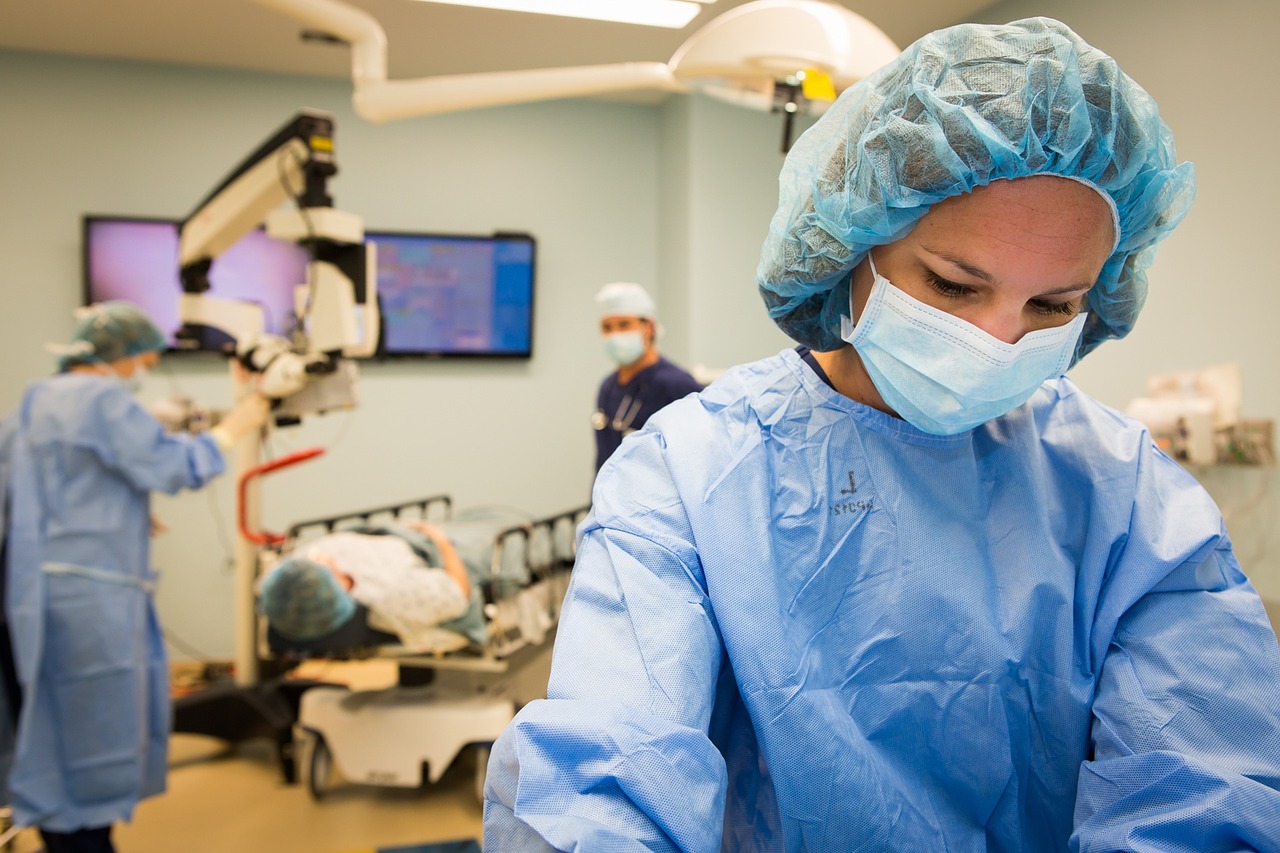


If you want to work in healthcare, vocational nurse schools offer a clear path to a rewarding career. LVN programs are built for people who want to help patients, learn hands-on skills, and start working in a real healthcare role. For many students, becoming a Licensed Vocational Nurse (LVN) is the first step into a healthcare career.
Vocational nursing is about being present with patients, supporting the care team, and handling tasks that matter every day. If you like staying busy, following clear steps, and seeing the results of your work, this role can feel very rewarding.
What a Vocational Nurse Does Each Day
LVNs play a key role in patient care. They work under the supervision of doctors and registered nurses and handle many daily tasks that keep patients comfortable and safe. This includes checking vital signs, giving medications, helping with wound care, and assisting patients with basic needs. As an LVN, you also spend time talking with patients. You answer questions, explain what is happening, and notice changes in how someone feels. This close contact makes the job personal. Many LVNs say this is the part of the work that keeps them motivated.
Why Vocational Nurse Schools Appeal to So Many Students
Vocational nurse schools focus only on what you need to know for the job. Lessons are direct and easy to connect to real situations. You learn why a skill matters and how it is used during a shift.
This type of learning works well for beginners. You are not buried in topics that do not relate to patient care. Each class builds on the last, which helps you gain confidence as you go. Another reason students choose vocational nurse schools is clarity. You know what role you are training for from day one. There is a clear finish line and a clear purpose behind the work you put in.
Who Thrives in an LVN Program
You do not need healthcare experience to start LVN training. Many students come straight from high school. Others are adults who want a new direction. What matters most is your mindset.
Strong LVN students are reliable and focused. They care about doing things the right way. They are comfortable learning by doing and asking questions. If you like structure and teamwork, vocational nursing can be a good match.
What You Learn in LVN Training at CyberTex
LVN programs combine classroom learning with hands-on practice. In class, you learn about the body, basic nursing care, patient safety, and medical terms you will hear every day at work. You also spend time in labs where you practice skills before using them with patients. This includes taking vital signs, giving injections, and following routines. These practice sessions help you feel prepared before clinical training begins.
Clinical training is where everything comes together. You work in real healthcare settings with instructors nearby. You learn how to manage time, communicate with patients, and stay organized during a shift.
Plus, there is a NCLEX-PN review class where you will learn the core concepts of nursing knowledge and skills, study skills, stress management techniques, and test taking strategies that will prepare you to take the National Licensure Examination Practical Nurse (NCLEX-PN).
Why Hands-On Experience Matters So Much
Healthcare is learned best by doing. Hands-on training helps build your skillset. It also helps you feel confident when you step into a real work setting.
During clinical training, you learn how to move with purpose, follow instructions, and handle common situations. You see what a typical day looks like and how teams work together. This experience makes the transition from student to working LVN feel more natural.
How CyberTex’s LVN Program Supports Students
CyberTex’s LVN program is for students who are new to healthcare. Lessons start with the basics and move forward at a steady pace. Each topic connects to real patient care tasks.
Instructors take time to explain skills in plain language. They understand that many students are learning this material for the first time. Questions are encouraged, and practice is built into the process.
Clinical training gives students real exposure to patient care. By the time training is complete, students have already worked in healthcare settings and understand what the job involves.
Learning From Instructors Who Have Done the Job
One of the biggest benefits of vocational nurse schools is learning from instructors with real experience. CyberTex instructors have worked in healthcare and know what new LVNs face.
They share practical advice that goes beyond textbooks. This includes how to stay organized, how to communicate with patients, and how to handle busy days. This guidance helps students feel more prepared.
Focused Training with a Clear Goal
Vocational nurse schools are built around the goal of preparing students for entry-level nursing roles. Courses stay focused on patient care and daily nursing duties.
CyberTex follows this same approach. Students learn skills they will use on the job, without extra classes that do not apply. This keeps training direct and easier to manage.
A Strong First Step Into Healthcare
For many students, becoming an LVN is the start of something bigger. The experience gained during training and work builds a strong foundation in healthcare. Even if your plans change later, LVN training gives you real skills and patient care experience. That experience can help you grow within the healthcare field over time.
Is a Vocational Nurse School the Right Choice?
If you want to work in healthcare, enjoy hands-on learning, and prefer a clear path over a long academic route, vocational nurse schools are worth serious thought.
CyberTex’s LVN program offers local training, hands-on experience, and a supportive learning environment. For beginners who want to step into healthcare with confidence, this program provides a practical way forward.
Final Thoughts
Vocational nursing is about showing up for patients and being part of a care team that makes a difference every day. For many students, it is not just a career move. It is the start of meaningful work that matters.
Want to Learn More?
After graduating from the Licensed Vocational Nursing program, you can apply to take the National Council Licensure Examination for Practical Nurses (NCLEX-PN), become a Licensed Vocational Nurse (LVN), and start your exciting new career immediately.
Having Questions? Contact us today to learn more about our Vocational Nursing program at the Austin campus.