



Leaving the military is not just a career change, it is a full lifestyle shift. One day your role and purpose are clearly defined. The next day, you are expected to build something new on your own. Many veterans feel excited about the freedom, but also unsure about the next move. That feeling is common, and it does not mean you are behind. It means you are in transition.
Veteran college benefits exist to help bridge that gap. They give structure and a clear path forward. For veterans who want to move into civilian life without committing to a four-year college, vocational training can be a great way to transition. At CyberTex, we focus on helping veterans transition from military to civilian life.
What Veteran College Benefits Provide
Veteran college benefits support your transition in practical ways that matter day to day. They give you a schedule and a goal you are working toward. That sense of direction can make the early months feel more manageable.
These benefits also allow you to focus on learning a specific skill instead of moving between short-term jobs. When your training connects directly to a career path, your time feels well spent. You can point to what you are learning and explain where it leads.
Another key benefit is connection. Being in a classroom or lab puts you around others who are also building a new future. Many veterans find it helpful to learn alongside people who understand discipline, teamwork, and showing up prepared.
Choosing a School That Offers Veteran College Benefits
Not every school works well for veterans. The best fit is often a program that feels practical and direct. Many veterans prefer learning by doing rather than long lectures with no clear outcome. Hands-on training is similar to how skills are taught in the military.
A good rule of thumb is clarity. You should be able to explain your training goal in one sentence. Clear goals make it easier to stay committed when things get tough.
Career Paths that Align with Military Experience
Military service builds habits that transfer well into many civilian roles. The key is choosing a field where those habits are used every day.
Healthcare Programs
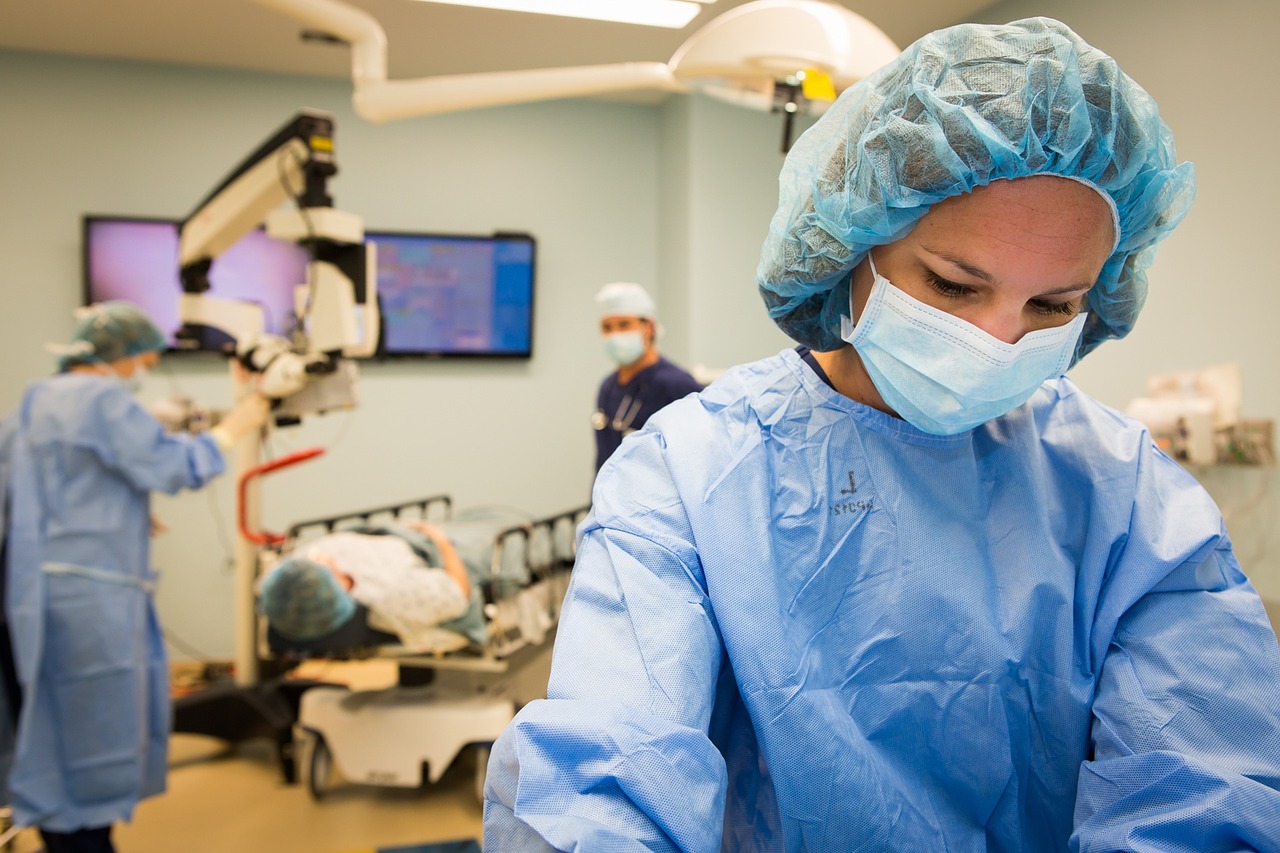
Healthcare training often appeals to veterans who want meaningful work and clear responsibility. Following procedures and staying calm under pressure are part of daily life in healthcare settings.
Network Engineer Program
IT and networking can be a good fit for veterans who enjoy systems and troubleshooting. You learn how systems connect, how to spot problems, and how to fix them in an organized way.
Diagnosing issues and completing jobs from start to finish can feel rewarding and familiar.
HVAC Training Programs
Many veterans use their college benefits to train for heating and cooling careers because the work is hands-on and structured. HVAC jobs follow clear steps like inspecting the system, diagnosing the problem, making the repair, and confirming it works. That process mirrors the way veterans are trained to approach tasks.
CyberTex programs emphasize practice, allowing students to build confidence through repetition and real tasks.
A Steady Transition Plan That Works
Big life changes feel easier when broken into steps. Many veterans succeed by treating their transition like a mission with phases.
Phase 1
In the first month, the focus is stability. Setting a daily routine, exploring training options, and speaking with an advisor helps create momentum. This is the time to gather paperwork and clarify your direction.
Phase 2
Over the next two months, commitment matters. Choosing one program and sticking with it builds confidence. Attending class regularly, setting weekly goals, and adjusting your resume to civilian language all support forward movement.
Phase 3
By the third month, progress becomes visible. Training feels more familiar, skills start to click, and explaining your goals becomes easier. Momentum replaces uncertainty.
Explaining Your Military Experience Clearly
You do not need to remove your service from your story. You simply need to explain it in a way civilian employers understand. Focus on actions and results rather than titles or acronyms.
Leading troops becomes supervising teams and training new staff. Maintaining equipment becomes inspecting systems and fixing issues. Working in high-pressure environments becomes staying focused and following process. Clear language helps others see your value quickly.
What Training at CyberTex Feels Like
CyberTex is a vocational college, so learning is active. Students spend time in labs, practice real skills, and receive direct feedback. The environment often feels familiar to veterans who are used to structure and clear expectations.
Most days include hands-on lab work where you practice the same skills you will use on the job. Instead of only reading or watching demonstrations, you are expected to do the work yourself, repeat it, and improve each time. This approach helps skills stick.
The structure of the program feels familiar to many veterans. Classes follow a clear schedule, expectations are laid out upfront, and instructors explain exactly what success looks like. You know what you are working on, why it matters, and how it connects to the next step. That clarity helps reduce stress and keeps training focused.
Feedback is direct and timely. Instructors watch how you work, correct mistakes early, and explain how to improve. There is less guesswork and more guidance.
Final Thoughts
Transitioning from military to civilian life is not about starting over. It is about choosing your next direction with purpose. Veteran college benefits can support that move by giving structure, focus, and a clear goal.
For veterans who want practical training without a long academic path, vocational education offers a clear transition. CyberTex provides hands-on learning that helps veterans move forward with confidence, one clear step at a time.
Want to Learn More?
CyberTex is approved by the VA to accept Chapter 35 military educational benefits and help Veteran Dependents and Survivors move to the next stage of their career.
We offer short-term technical training programs in Information Technology, Medical, Healthcare, and Construction Trades. We are a student-centric institute that equips students with workplace skills for initial employment, paving the way for desired and financially stable careers.
Contact us today to learn more about our CyberTex campuses in Austin and Killeen.