


HVAC training looks very different from a typical school day. You aren’t stuck behind a desk, but working with HVAC equipment systems that look like what you see on a job site. If you learn best by doing, this HVAC training feels natural.
HVAC training builds upon the foundation you received in the classroom. You build skills the same way HVAC technicians do, by working through problems and learning from mistakes.
Learning Happens on the Shop Floor
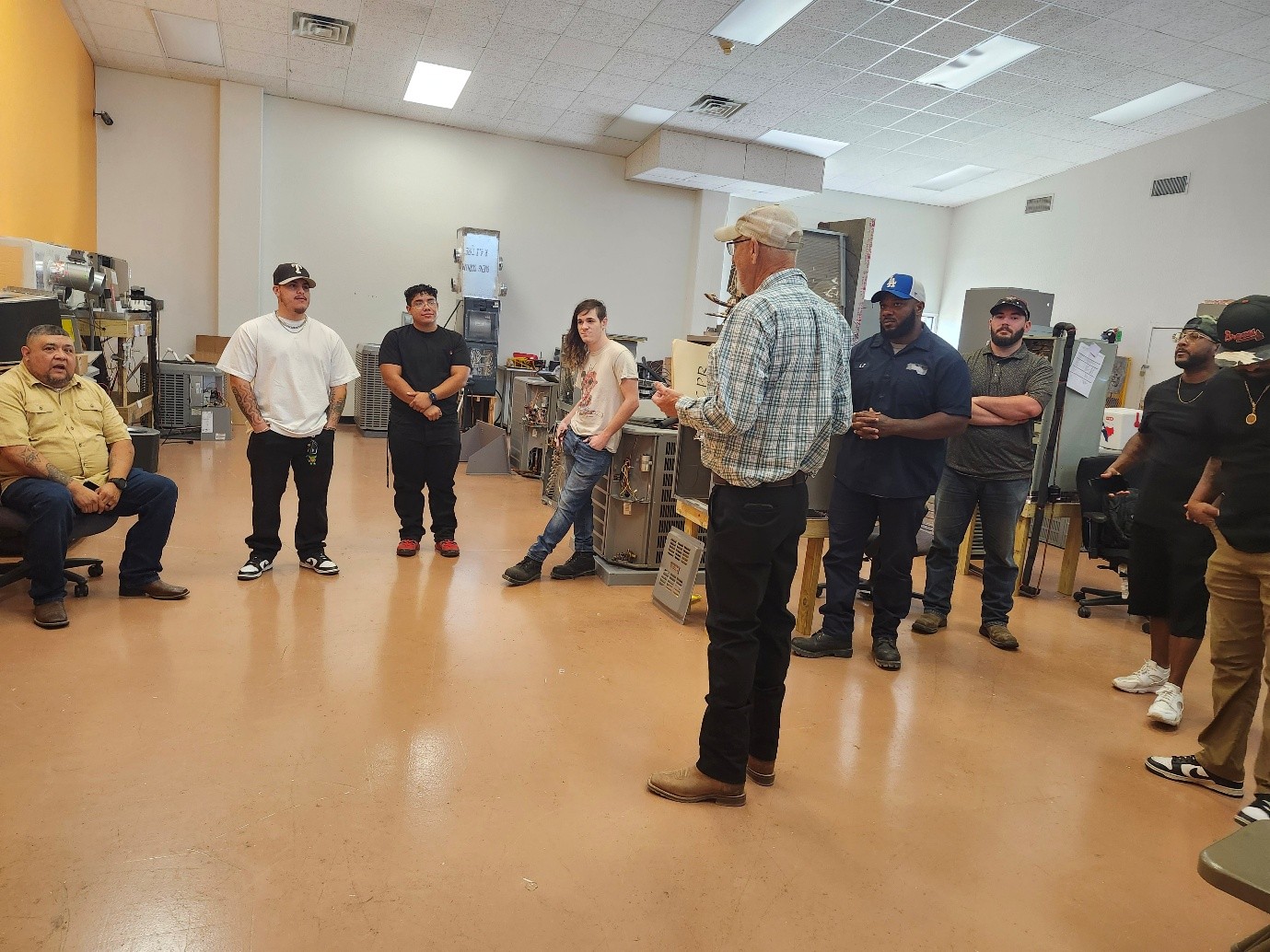
Outside the classroom, learning starts the moment you step into the school shop. Instead of flipping through slides, you work with actual heating and cooling systems. You touch the parts and see how everything fits together. It is easier to remember how an HVAC system works when you have taken it apart and put it back together yourself.
Working With Real Equipment
HVAC training uses industry-standard furnaces, air conditioners, and heat pumps. These systems are the same ones found in homes and businesses. That makes practice feel real, not staged.
You might power a unit, check airflow, or test how well it cools a space. Over time, you start to notice patterns. What looks normal and what does not. Those details matter later on the job.
Safety Becomes Second Nature
Safety lessons make more sense when you are standing in front of HVAC equipment that is running. You learn why rules exist, not just what they are. You practice shutting off power, using protective gear, and staying aware of moving parts. Doing this every day builds good habits. By the time you work in the field, safety feels automatic.
Solving Problems Like Real Techs Do
Most HVAC jobs involve fixing issues, not installing brand-new systems. Instructors may give you a unit that is not cooling correctly. Your job is to figure out why. You test parts, follow clues, and work through the issue step by step. This builds patience and sharp thinking.
Learning in Small Groups
HVAC training usually involves small groups. This keeps training focused and personal. Instructors can watch how you work and guide you in real time.
HVAC work often involves teamwork. You learn how to communicate clearly and share tasks without getting in each other’s way.
Getting Comfortable with Tools
HVAC training gives you time to practice until tools are familiar. You use gauges, meters, and hand tools almost every day. Over time, your grip improves, your movements get smoother, and tasks take less effort. That comfort helps reduce stress when work gets busy.
Understanding Real Work Spaces
HVAC systems are found inside buildings, not open classrooms. Hands-on training helps you understand that. You learn how HVAC systems fit into tight spaces, connect to ductwork, and run alongside wiring and pipes. This prepares you for conditions where space is limited and planning matters.
Learning From People Who Have Done the Job
Instructors often come from the field. They share stories from real jobs and explain how they handled common problems. When something goes wrong in the lab, they relate it to real situations they have faced. That insight helps you understand what matters most and what mistakes to avoid.
Building Confidence Before Day One
One of the biggest benefits of HVAC training is confidence. By the end of training, you have already worked on many HVAC systems. You know what a typical day looks like. You recognize equipment instead of feeling unsure around it. That confidence makes starting work feel less overwhelming.
HVAC Training That Feels Like the Job
HVAC training follows the rhythm of real workdays. You repeat tasks, troubleshoot issues, and work through setups again and again. Repetition helps retain skills. It also shows why steps matter and what happens when shortcuts are taken. This kind of learning prepares you for real expectations.
Final Thoughts
HVAC training outside the classroom is active and practical. You learn by doing the work, not just hearing about it. If you want a career that involves problem solving and technical skills, HVAC training gives you a strong start. It feels less like school and more like learning the job before your first day.
HVAC Technician Diploma
Want to achieve HVAC certifications to start a rewarding career as an HVAC technician in Texas? With more than two decades of success in the medical, health, and IT sectors, we added an HVAC course to our curriculum. We proudly announce that we have flexible day and evening classes for the HVAC program.
CyberTex’s HVAC program can be completed in as little as 11 months by attending full-time with the flexibility of day and evening classes. You can take the EPA–608 certification from the US Environmental Protection Agency with our training.
Want to learn more? Contact us today.