


Bedside nursing is the heart of patient care. It is the tireless work of helping patients feel safe and supported. If you want to work in healthcare to make a difference in the lives of your patients, nursing may be the right path for you.
The CyberTex Vocational Nursing Program is built around bedside nursing skills. From the start, you learn the same skills used every day helping patients. The focus stays on what nurses actually do during a shift, not extra coursework that does not apply to patient care.
What Bedside Nursing Really Looks Like
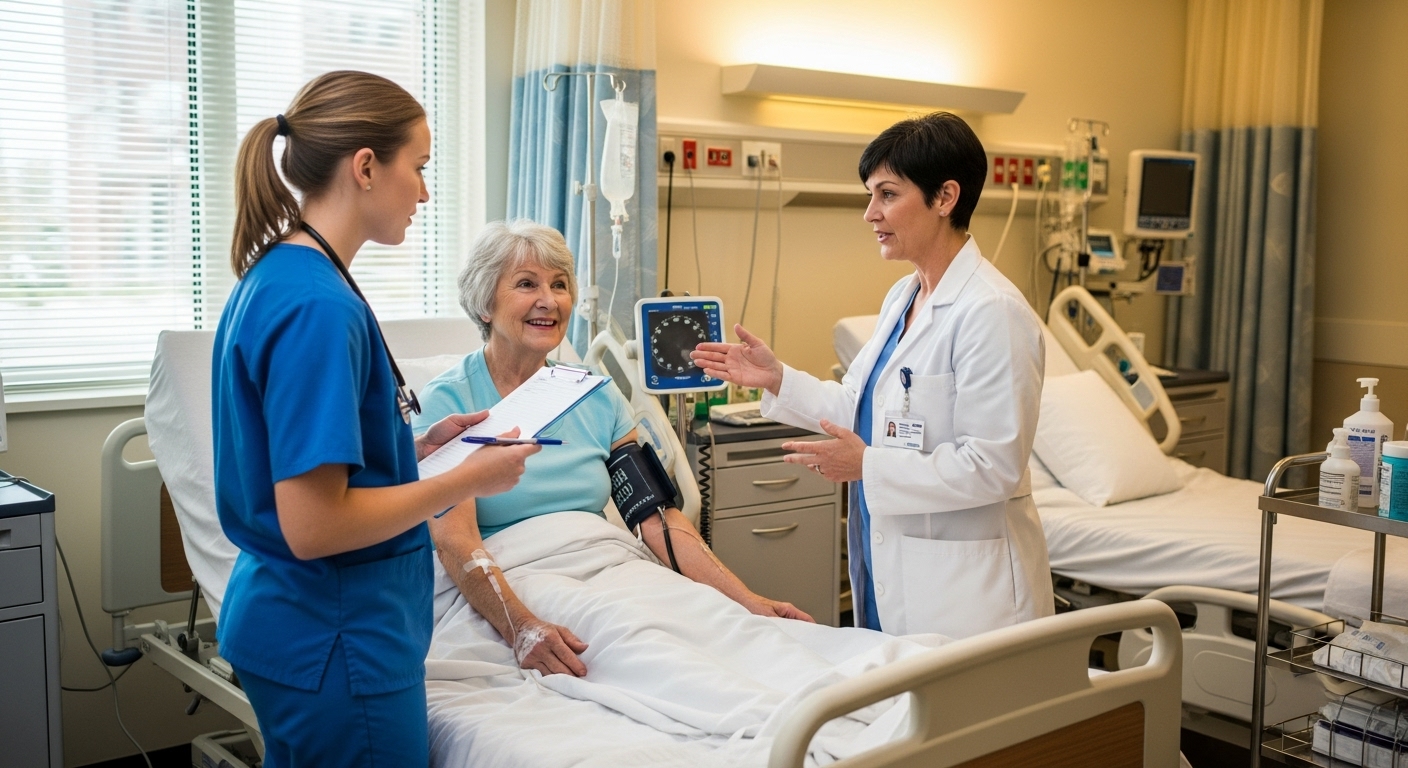
Bedside nursing is hands-on. It means being present with patients and helping them through everyday challenges. Some tasks are medical, like checking vital signs or giving medications. Others are personal, like helping someone sit up, eat a meal, or feel less anxious.
Nursing training shows you that both sides matter. Patients remember how they were treated just as much as the care they received. Learning to combine bedside nursing skills with patience is a key part of becoming a successful nurse.
Starting with the Basics
You will begin with basic care skills early in training. This helps remove fear and build comfort before moving into more advanced tasks.
You practice safe ways to move and position patients, and you learn infection control habits that protect everyone in the room. These early lessons form the foundation of bedside nursing.
Practicing these bedside nursing skills helps them feel natural. Confidence at the bedside comes from repetition and experience.
Learning How to Talk with Patients
Good bedside care depends on communication. Nurses explain procedures, answer questions, and listen to concerns throughout the day.
Training helps you learn how to speak clearly and calmly. During training, you practice listening when patients feel nervous, tired, or upset. You also learn how to pass along important details to other staff. Clear communication helps patients feel respected. It also helps care teams work smoothly.
Vital Signs and Knowing What They Mean
Taking vital signs is one of the first bedside skills you learn. Blood pressure, pulse, breathing, and temperature provide clues about a patient’s condition.
However, bedside training goes beyond taking the numbers. You learn how to spot changes that may signal pain or stress. You also learn when to report concerns to RNs and doctors. This skill helps nurses protect patients and act quickly when something feels off.
Medication Skills That Focus on Safety
Medication tasks are an important part of bedside nursing. Training covers how to give medications safely and correctly. You learn how to confirm the right patient, medication, and timing. You also learn how to watch for side effects and reactions. Care and focus are stressed at every step. These habits help you stay organized and protect patient safety.
Comfort Care Makes a Difference
Some of the most important bedside moments involve comfort care. Helping with hygiene, meals, or repositioning can change how a patient feels. You learn how to help patients bathe, dress, and move with dignity. During training, you practice ways to reduce discomfort and prevent skin issues. These tasks may seem simple, but they matter a lot to patients.
Paying Attention to Small Changes
Nurses notice things others may miss. A change in mood, appetite, or movement can be a sign that something is wrong. Training helps you sharpen your observation skills. You learn to watch body language, skin tone, and behavior. You also learn how to document and report changes clearly.
Learning to Work as a Team
Bedside nursing is team-based work. Nurses coordinate with doctors and other staff to keep care consistent. During training, you practice sharing updates and following care plans. You learn how to give reports during shift changes. Teamwork keeps patients safe and care organized.
Practice in Realistic Settings
CyberTex training offers hands-on practice in realistic settings. Skills labs are set up to feel like real patient rooms. You also train in clinical settings under supervision. This helps connect classroom learning with real patient care. Seeing how skills are used builds confidence. Practice helps you step into care roles with less fear and more readiness.
Why Vocational Nursing Training Makes Sense
Vocational nursing training stays focused on patient care skills. It removes extra courses and centers learning on real bedside work. During training, you spend your time practicing what you will actually use. This makes training feel practical and direct. It also helps you feel prepared sooner.
A Practical Way to Start in Healthcare
If you want a role where you help people, bedside nursing is a good career path. Vocational nursing training gives you bedside nursing skills for real care. It prepares you for the daily work nurses do at the bedside and helps you enter healthcare with purpose and clarity.
Want to Learn More?
After graduating from the Licensed Vocational Nursing program, you can apply to take the National Council Licensure Examination for Practical Nurses (NCLEX-PN), become a Licensed Vocational Nurse (LVN), and start your exciting new career immediately.
Having Questions? Contact us today to learn more about our Vocational Nursing program at the Austin campus.