
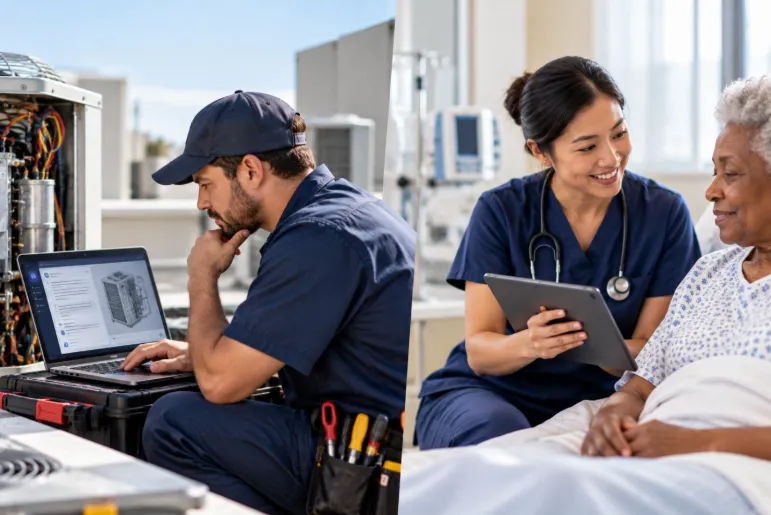
You may or may not have tried an AI tool by now. You type a question. It writes an email, explains a problem, or sorts through information in seconds. Then another thought may hit you.
What happens when AI can do part of my job?
That question matters if you are thinking about school or changing careers. You may have no trade background at all. You may also want work that cannot simply move into an AI tool.
There is no such thing as a completely AI-proof career. But some jobs are much harder to replace with software. They involve physical work, patients, equipment, buildings, or problems that happen outside a computer screen.
That changes the conversation about learning a skilled trade with no experience. At CyberTex, several programs prepare students for work where people still need to show up and handle real problems.
Why Some Jobs Are Harder for AI to Replace
AI is very good at working with information. It can summarize notes and answer common questions. It can spot patterns in large amounts of data. But picture an air conditioner that stops working during a Texas summer. Someone still has to open the unit. An HVAC technician has to test it, find the failed part, and make the repair.
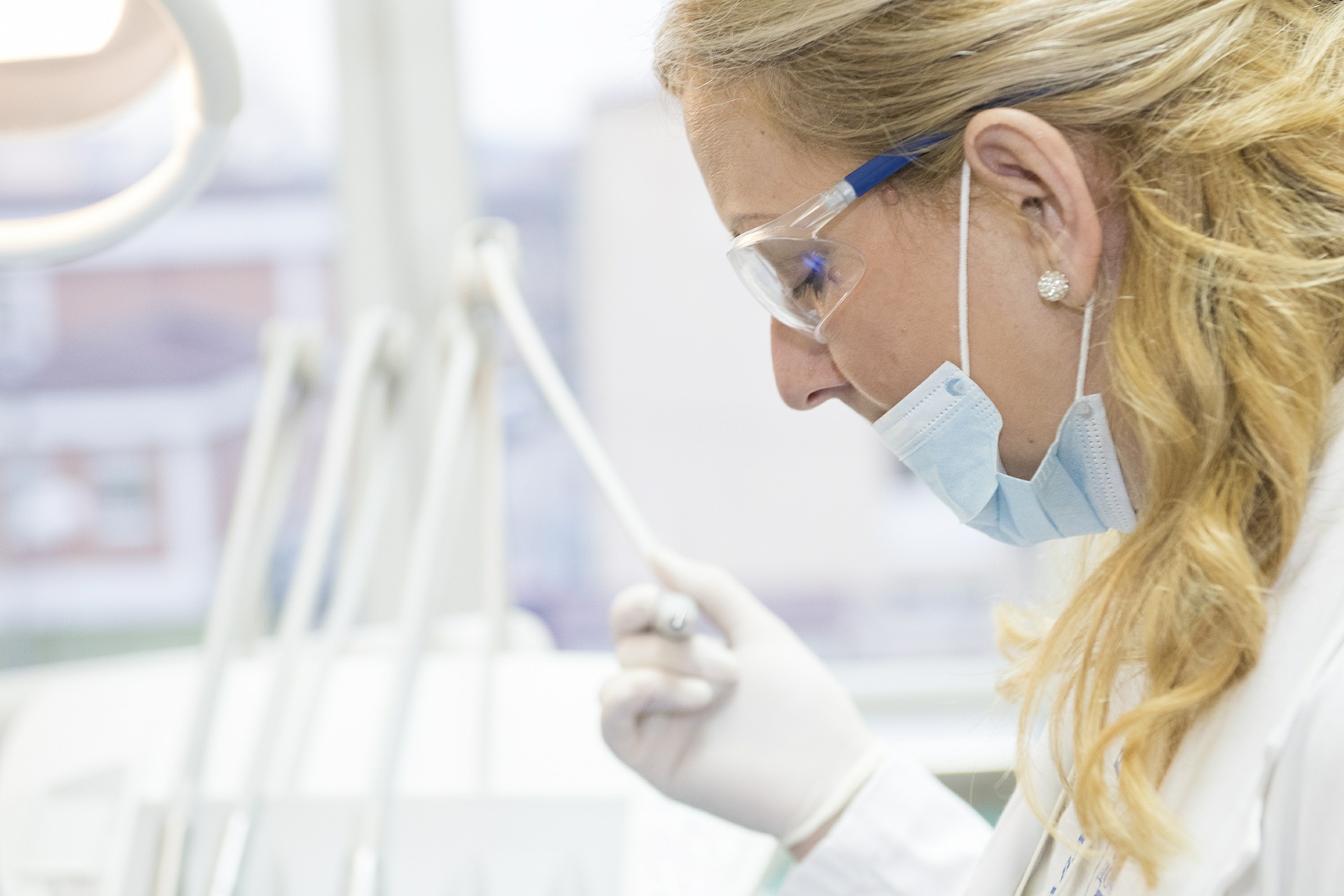
Or picture a nervous patient sitting on an exam table. Someone needs to take that patient’s blood pressure. Someone may need to draw blood or prepare the patient for an exam.
These jobs happen in physical spaces. AI may change how the work gets done. It may help workers find information faster. But the worker is still there. That is one reason skilled work may look different as AI becomes more common.
Source: https://www.articuler.ai/resources/compare/ai-proof-jobs/
HVAC Technician: AI Cannot Repair an Air Conditioner from a Laptop
HVAC students often start with something very basic. They look at a system and see wires, gauges, motors, coils, and parts they cannot name yet. That is normal. Training starts turning those parts into a system you can understand. Then something clicks. You test a unit that is not working. You follow the readings and find the problem. For the first time, you understand why the system failed.
That physical part of the job matters in the AI discussion. HVAC technicians install, test, maintain, and repair heating and cooling systems. They may work inside homes, businesses, schools, or hospitals. A computer can help diagnose a fault. It cannot climb into an attic and replace the failed part. It cannot walk around a customer’s house and notice that one room feels warmer. And it cannot safely make every repair from somewhere else.
The U.S. Bureau of Labor Statistics projects HVAC jobs to grow 11% from 2025 through 2035.
For someone entering a skilled trade with no experience, that physical nature is worth thinking about. You are learning how to work on something people use every day.
Medical Assistant: Patients Still Need People in the Room
A medical assistant student may remember the first real patient more than the first week of class.
The room suddenly feels different. This is no longer practice with a classmate. A real patient is sitting in front of you. Maybe you are taking vital signs and the patient looks nervous. You introduce yourself and start doing what you practiced.
That moment explains why healthcare jobs are difficult to move completely to AI. Medical assistants may record patient histories, take vital signs, collect blood samples, and help with exams. Some office tasks can become more automated. Patient care is different.
A patient may tell you something that does not match the reason listed for the visit. Another may be afraid of needles. Someone else may need you to repeat a direction. Those small moments are part of the job.
Licensed Vocational Nurse: Care Is More Than Information
AI can explain what a blood pressure reading means. That is different from caring for the person whose blood pressure just changed. LVNs monitor patients, provide basic care, listen to patient concerns, and report changes to other members of the care team. Much of that work happens face to face.
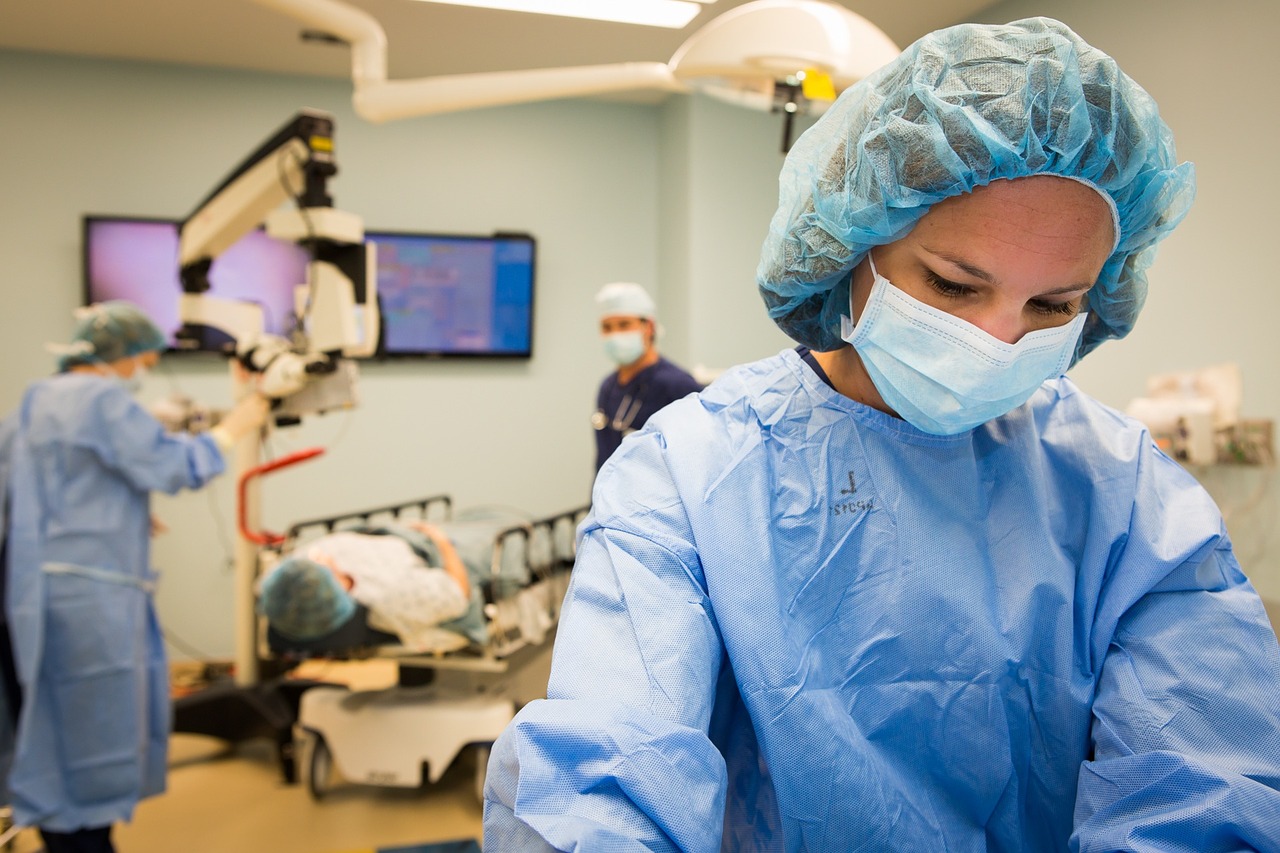
Imagine a patient who seemed fine earlier in your shift. Later, something feels different. Maybe the patient seems confused. Maybe you notice a change while checking vital signs. You need to recognize what you are seeing and report it.
There is also the human side. Patients ask questions when they are scared. Families may want updates. Some patients need help with tasks they normally handle themselves. That is difficult to separate from the person providing the care. AI may become another tool nurses use. The patient is still there. And someone still needs to care for that patient.
Computer Network Support: AI Changes the Work, but Problems Still Need People
Technology careers require a different conversation about AI. Some computer support work is already becoming automated. The BLS says automated tools and chatbots are expected to reduce some routine user support work. That does not mean computer networks stop needing people.
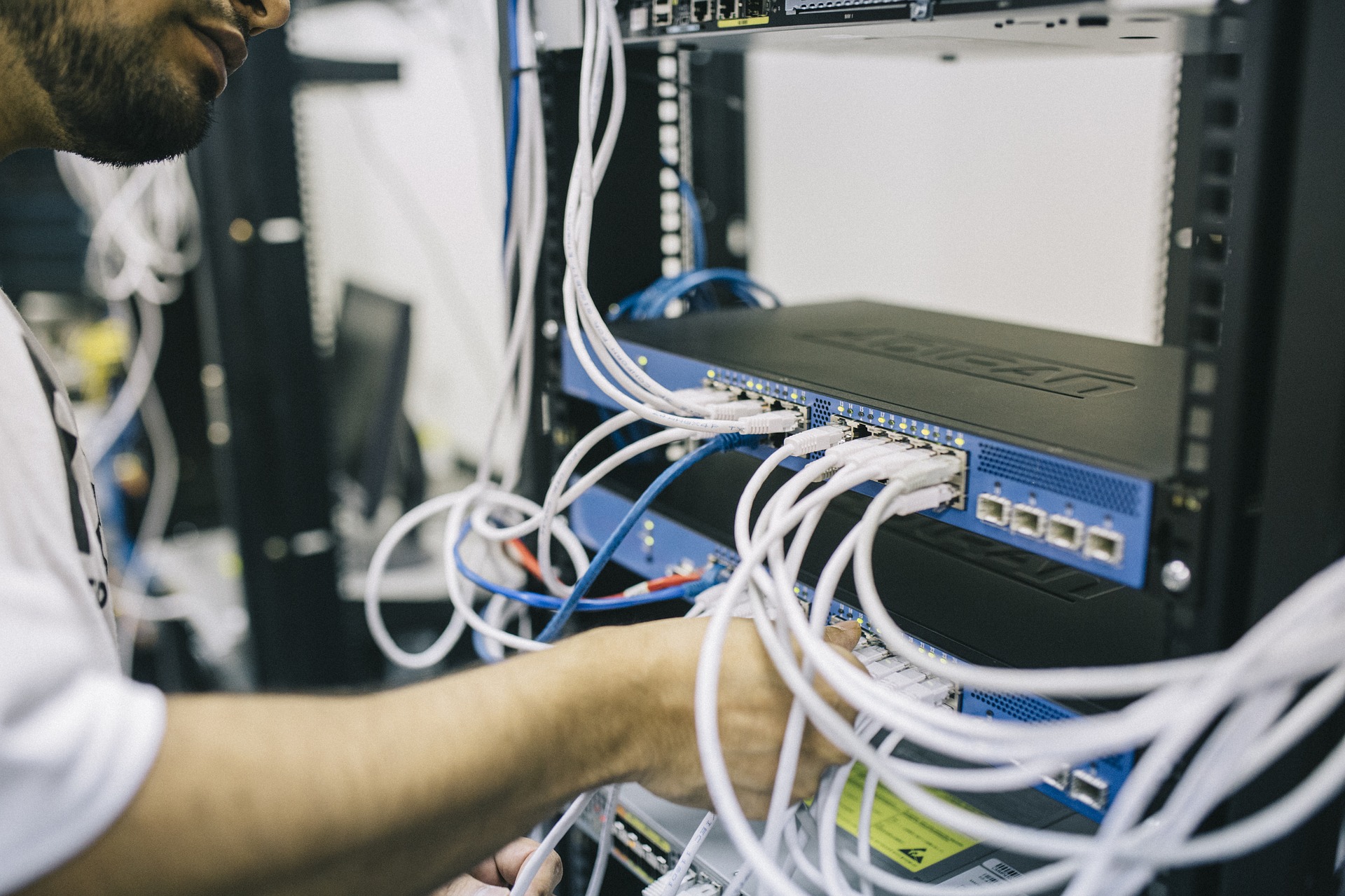
Networks still fail. Hardware still breaks. Connections drop. Security issues appear. A problem that looks simple on one screen can have several possible causes. Computer network support specialists test, maintain, and troubleshoot network systems.
Picture your first real network problem. One computer cannot connect. Then you learn several computers have the same problem. Now the question changes.
- Is it the device?
- The switch?
- The network setup?
- Something farther upstream?
AI might suggest places to check. You still need to understand what those suggestions mean.
That difference may become more important as AI handles simpler support questions.
For students, the lesson is pretty simple. Do not train just to answer questions that software can answer. Learn how the systems work.
You Do Not Need Experience Before You Start Learning
One concern comes up again and again with adult students.
What if I have never done this before?
That is the point of training. An HVAC student does not need to arrive knowing how to diagnose a cooling system. A medical assistant student does not need to arrive knowing how to draw blood. A vocational nursing student is not expected to walk into class already knowing patient care. A network engineer student may start without knowing what every cable, port, or device does.
You start with the basics. Then you practice. And at some point, something that looked confusing a few months earlier starts looking familiar. That is one of the biggest changes students notice.
Frequently Asked Questions (FAQs) About Skilled Trades & AI
Will I need to use AI tools in an HVAC or healthcare job?
Possibly. AI may help with records, research, or equipment checks. You will still need to know how to do your job.
Can AI change what I learn in a skilled trade program?
Technology can change the tools used at work. The basic skills behind patient care, HVAC service, and network support still matter.
What if I am worried about going back to school after several years?
Many students need time to adjust to classes, homework, and practice again. You can build a routine as you move through your program.
Do skilled trade jobs require strong math skills?
It depends on the job. HVAC and network work use some math, while healthcare roles use math for specific tasks. Training covers job-related math.
Should I choose a career based only on how AI may affect it?
AI is one factor. Think about the daily work, schedule, physical demands, patient contact, and type of problems you want to handle.
Want to Learn More?
CyberTex offers short-term technical training programs in the Information Technology, Medical, Healthcare, and Construction Trades. We are a student-centric institute that equips students with workplace skills for initial employment, paving the way for desired and financially stable careers.
Contact us today to learn more about our CyberTex campuses in Austin, Killeen, and Smithville.