




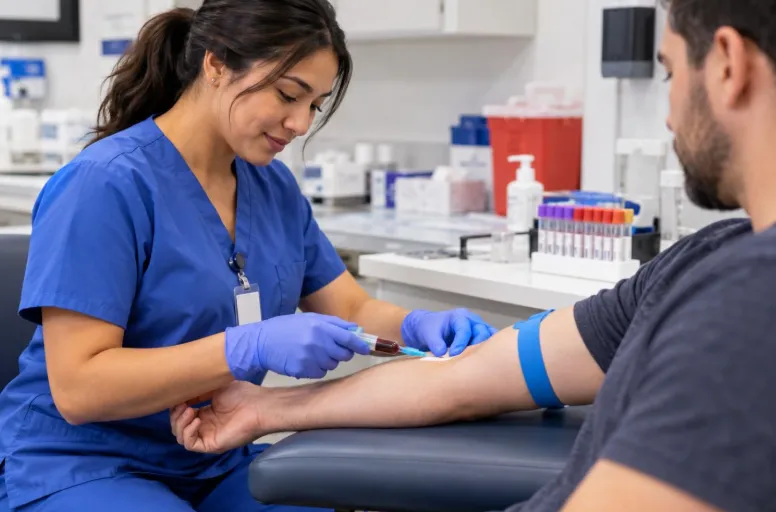
A patient sits in an exam room waiting for a blood draw. Everything seems normal until the nurse brings out the needle. The patient suddenly gets quiet. Their hands tighten around the chair. They look away and say, “I really hate needles.” For some people, that fear is mild. For others, even thinking about a needle can cause sweating, dizziness, or panic.
So, what does a nurse do when a patient is afraid of needles? The answer isn’t always to get the procedure over with quickly. Sometimes, the nurse needs to slow down. For nursing students, these moments teach something that doesn’t always come across during classroom practice. Knowing how to give an injection is one thing. Helping someone feel safe enough to receive it is another.
Why Some Patients Are So Afraid of Needles
One patient might dislike the brief sting of an injection. Another might have a strong fear that makes the procedure difficult. Needle anxiety can come from several places. Some patients remember a painful childhood experience. Others fear fainting or seeing blood. A patient may even know the injection is necessary and still feel unable to go through with it.
The fear isn’t always obvious
You might expect a frightened patient to tell you immediately. But many people try to hide their fear. They might laugh nervously, ask repeated questions, or suddenly need to use the restroom.
Some patients become unusually quiet. A nurse learns to notice these changes before starting a procedure. Asking a simple question can help.
“Are you feeling nervous about the needle?” That question gives the patient permission to talk about something they may find embarrassing. And sometimes, that short conversation changes how the rest of the visit goes.
The First Thing a Nurse Does Is Listen
Imagine preparing to give an injection when a patient says, “Last time I had a shot, I passed out.”
That’s important information. A nurse shouldn’t dismiss the concern or assume the patient is exaggerating. Instead, the nurse can ask what happened during the previous experience. Did the patient feel dizzy? Did they faint? Were they injured? These details help the nurse decide what to do next.
Small questions can prevent bigger problems
A patient with a history of fainting may need to lie down before a needle procedure. Someone who fears seeing the needle might prefer to look away. Another patient may want to know exactly what will happen before anything begins. There isn’t one response that works for everyone. For nursing students, listening can feel less important than learning the steps of an injection. But an experienced nurse knows that a patient who feels heard may be more willing to explain their concerns.
Explaining What Will Happen Before the Needle Appears
Many patients become more nervous when they don’t know what’s coming next. They may wonder how much the injection will hurt or how long the procedure will take. A nurse can help by explaining what will happen in plain language. For example, before an injection, the nurse might explain where it will be given and what the patient may feel.
Why the way you explain something matters
Think about the difference between these two statements: “This won’t hurt at all.” “You may feel a quick pinch, but it should only last a moment.” The second statement is more realistic. Patients can lose trust when someone promises a painless experience and the injection hurts. Nurses also need to know when to stop explaining. Some patients want every detail. Others become more nervous when they hear too much. Learning to recognize that difference takes practice.
Helping Patients Stay Calm During an Injection
A patient may understand everything the nurse explains and still feel afraid. That’s when small changes can help. The nurse might ask the patient to take slow breaths or focus on something across the room. Some patients prefer conversation. Others would rather sit quietly.
Distraction can help, but it isn’t a trick
Imagine a patient talking about their weekend while getting ready for an injection. The conversation gives them something familiar to focus on. A nurse might continue talking while preparing the supplies, but the patient should still know when the procedure will begin. The goal isn’t to surprise the patient with a needle. It’s to help them feel more comfortable while respecting their choices.
What if the patient starts to panic?
Sometimes, a patient becomes too upset to continue. Their breathing changes. They pull their arm away or say they can’t do it. A nurse should pause and check how the patient is feeling.
Continuing while someone is pulling away could cause an injury. The nurse may need to give the patient more time, change their position, or ask another member of the care team for help.
If the patient refuses, the nurse respects that decision and follows the proper steps for reporting it.
What Nursing Students Learn About Needle Anxiety
Practicing injections in a nursing lab helps students learn how to handle supplies and follow safety steps. But a training model doesn’t pull away when it’s frightened. It doesn’t ask whether the needle will hurt. It doesn’t tell you about a bad experience from ten years ago. That’s one reason supervised patient care can feel different from classroom practice.
When the Needle Is Done, the Patient Still Needs Care
After an injection, the nurse’s attention doesn’t immediately move to the next patient. Someone who was nervous beforehand might still feel shaky afterward. The nurse checks how the patient feels and watches for signs of dizziness or fainting. For vaccinations, the CDC recommends observing most patients for 15 minutes afterward. This helps reduce injuries if someone faints.
When Fear of Needles Becomes a Bigger Concern
Some patients avoid medical care because their fear is so strong. They may cancel blood tests, delay vaccines, or put off needed treatment. A nurse might meet someone who hasn’t had blood work in years because of a past experience. This is different from someone who simply dislikes injections.
Knowing when to ask for more help
Severe needle phobia may need more support than a short conversation can provide. A nurse can tell the care team about the patient’s concerns. Depending on the procedure, options may include numbing cream or other ways to manage pain. The CDC also recommends giving patients clear information before needle procedures and allowing support from someone they trust. A nursing student learns that helping a patient doesn’t always mean completing the procedure that day.
Sometimes, it means recognizing that the patient needs a different plan.
Learning to Care for Patients at CyberTex
During the CyberTex Vocational Nursing program in Austin, students prepare for patient care through classroom lessons, lab practice, and supervised clinical training. Students learn nursing skills while also working on how they speak with patients. That includes knowing what to do when someone becomes nervous, asks an unexpected question, or needs more time.
You may enter nursing school thinking mostly about learning medical procedures. Then you meet a patient who is afraid of something you’ve practiced many times. You realize the procedure is familiar to you, but completely different for the person sitting in front of you.
And that changes how you approach the next patient.
Frequently Asked Questions
Do you need to be comfortable with needles before starting nursing school?
No. Many nursing students feel nervous about needles when they first begin training. You learn how to handle medical supplies and practice procedures under supervision. As you gain experience, working with needles often becomes more familiar.
Can you become a vocational nurse if you’re afraid of getting shots yourself?
Yes. Being afraid of receiving an injection doesn’t automatically prevent you from becoming a vocational nurse. Giving an injection and receiving one can feel very different. However, you will need to become comfortable handling needles safely during training.
How much practice do nursing students get before giving injections to real patients?
Nursing students practice injection skills in a lab before performing them during supervised patient care. They learn proper needle handling, injection techniques, and safe disposal. Instructors check their skills before students perform procedures within their approved training duties.
What happens if a nursing student makes a mistake while giving an injection?
Students must report mistakes immediately to their instructor or supervising nurse. The care team checks the patient and takes any needed steps. Nursing programs teach students to report errors rather than hide them. Patient safety comes first, even when a student feels embarrassed.
Will vocational nurses give injections regularly at work?
It depends on where they work. Vocational nurses in clinics, nursing homes, and other care settings may give injections as part of their duties. Some positions involve injections daily, while others involve them less often. Texas vocational nurses must follow their legal scope of practice and workplace rules.
Want to Learn More?
After graduating from the Licensed Vocational Nursing program, you can apply to take the National Council Licensure Examination for Practical Nurses (NCLEX-PN), become a Licensed Vocational Nurse (LVN), and start your exciting new career immediately.
Having Questions? Contact us today to learn more about our Vocational Nursing program at the Austin campus.