




The shift from military life to a civilian career often comes down to one key decision: how fast can you get back on track. Many veterans want a path that leads to steady income without years in school. You may be ready to work, support your family, and build something long term. That is where IT and network engineer training come in. This path focuses on real job skills, quick timelines, and strong demand. It also connects well with the structure and discipline you already bring from military service.
Why Fast Career Training Matters After Military Service
After leaving the military, time becomes a real factor. Bills do not pause, and waiting for years for a degree may not fit your situation. Fast training programs help you move forward with a clear timeline. These programs focus on skills that lead directly to a job. You skip general classes and spend time on what employers need. That means you can move from training into the workforce much faster. For many veterans, this creates a smoother transition. You go from a structured environment into another path with clear steps and outcomes.
Why IT and Network Engineer Programs Stand Out
Technology supports almost every part of modern business. Companies rely on systems to run daily operations, store data, and communicate with customers. Because of this, they need people who can manage and fix those systems.
IT and network roles focus on keeping systems running. This includes setting up networks, fixing issues, and helping users solve problems. These tasks are practical and repeat across many industries. You are not limited to one field. You can work in healthcare, education, finance, or tech. This flexibility gives you more control over where you work and how your career grows.
Military Skills Transfer Well to IT Roles
Many veterans already have skills that match IT work, even if the job title was different. Military roles often involve systems, procedures, and teamwork under pressure. If you worked with communication tools, secure systems, or logistics platforms, you already understand structured environments. You know how to follow processes and solve problems quickly.
These skills carry over well into IT roles. Training helps you connect your past experience with the technical side employers look for. You are not starting over. You are building on what you already know.
Fast Training vs. Traditional College
Traditional college programs take 2 to 4 years and include many courses that may not relate to your career goals. For veterans who want to enter the workforce quickly, this can feel slow.
Fast IT training programs focus only on job skills. You learn what you need to perform in real roles.
Certifications That Lead to Jobs
In IT, certifications play a major role in hiring. They show employers that you understand key systems and can handle real tasks. Common starting certifications include CompTIA A+, Network+, and Security+. The Network Engineer program at CyberTex prepares you for 14 different IT certifications.
Training programs often build their curriculum around these exams. You study the material, practice the skills, and prepare for the test at the same time. Once you pass, you have a credential that employers recognize right away.
Strong Job Demand Across the Country
One of the biggest benefits of IT careers is demand. Businesses in every city rely on technology, which means they need people to support it. This gives you flexibility after training. You can stay close to home, move to a new area, or look for remote work. Many entry-level roles exist across different industries.
Common starting roles include IT support specialist, help desk analyst, and network technician. These positions give you experience and open the door to more advanced roles later.
Hands-On Training Builds Confidence
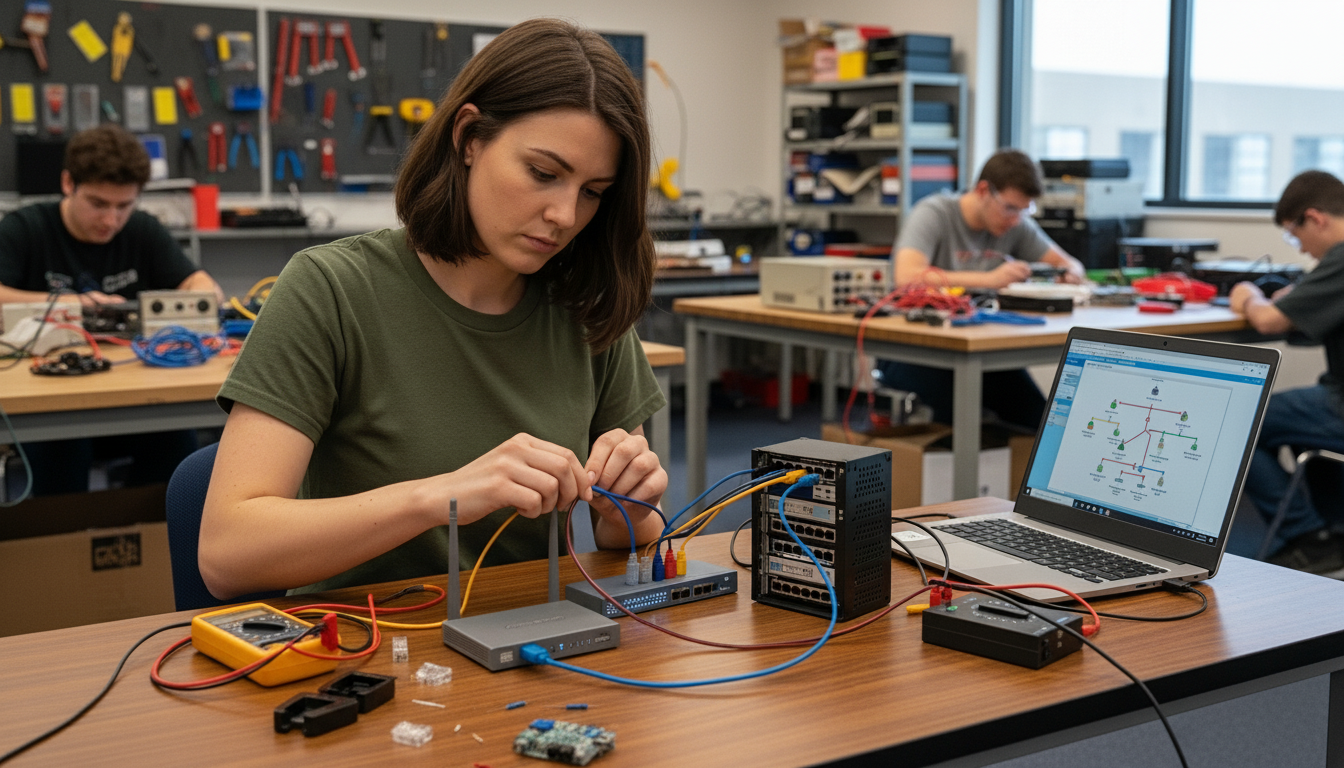
IT training focuses on real tasks, not just theory. You work with systems, tools, and equipment you will use on the job. This may include setting up networks, troubleshooting hardware, and configuring software. Practicing these tasks builds confidence and skill at the same time. When you enter the workforce, you already know how to handle common issues. This makes the transition into a new role much smoother.
Clear Career Path After Training
One reason IT training works well is the clear path it provides. You know what steps to take and what comes next. You complete your training, earn certifications, and apply for entry-level roles. From there, you gain experience and move into higher positions. Each step builds on the last. You are not guessing what to do next. You are following a path that leads to steady growth.
Support Systems for Veterans
The training programs at CyberTex offer support services that help veterans succeed. These may include resume help, interview practice, and job placement support. We also understand the transition from military to civilian life. This can make a big difference during training and job search. You are not alone in the process. Support systems help you stay on track and move into your next career with confidence.
Why This Path Makes Sense Right Now
The job market rewards skills that solve real problems. IT and network roles meet that need across many industries. This path offers speed, steady demand, and long-term growth. You can move from training into a career without long delays. For veterans, this creates a strong bridge from service into civilian work. You take what you already know and apply it in a new way.
Final Thoughts
Starting a new career after military service can feel like a big shift. The right path makes that transition easier and faster. It and network engineer training give you a direct route into a stable field. You can train in months, earn certifications, and step into real job opportunities. If your goal is to move forward with purpose and build a career that grows, this path is worth serious consideration.
Want to Learn More?
Ready to become a network engineer? IT careers have become essential not just in Austin but globally, and there is no better time to pick up than now. In 2021, Austin was ranked #1 in Best Tech City for IT jobs by CompTIA, and the demand is only growing.
Ready to start a rewarding and challenging career in IT as a network engineer? The Network Engineer Program at CyberTex prepares you for advanced computer networking & security jobs. You will learn the skills and abilities to set up, install, configure, repair, and manage modern computer networks and their security.
Contact us today to learn more about our Network Engineer program.
Frequently Asked Questions (FAQs)
What is the fastest IT career path for veterans?
The fastest path usually starts with IT support or network technician roles. These require basic certifications like CompTIA A+ or Network+. Training programs can prepare you in months rather than years. After that, you can apply for entry-level jobs and start earning while building experience.
Can veterans really start an IT career with no experience?
Yes, many veterans begin with no formal IT background. Training programs start with the basics and build step by step. Your military experience with systems, structure, and problem solving already gives you a strong base. Certifications help show employers you are ready for the role.
What kind of jobs can veterans get after IT training?
Most veterans start in roles like IT support specialist, help desk analyst, or network technician. These jobs focus on solving system issues and supporting users. With experience, you can move into higher roles like network administrator or cybersecurity positions.
Can IT training lead to remote work opportunities?
Yes, many IT roles support remote or hybrid work. Help desk and system support positions often allow you to work from home. This gives veterans more flexibility when choosing where to live and work after training.
What certifications should veterans focus on first?
Most veterans start with CompTIA A+ to learn basic IT skills. After that, Network+ builds knowledge of systems and connections. Security+ is also valuable if you want to move into security roles later. These certifications create a strong starting point.