

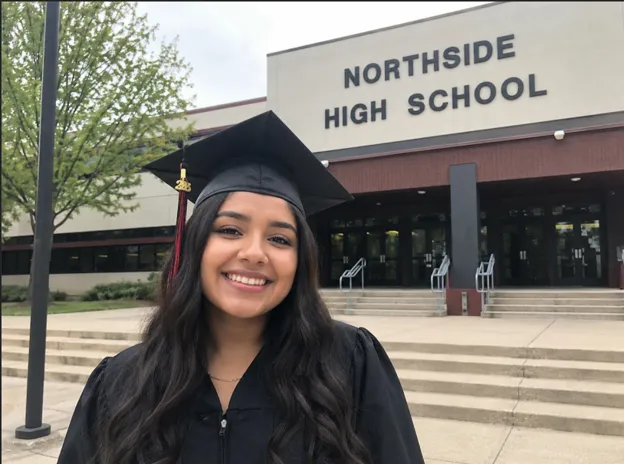
A four-year college is not the only path after high school. Many students want training that leads to a real job faster. Trade school programs focus on hands-on skills. You learn the work by doing it. And in many cases, you can finish training in far less time than a traditional degree.
If you want a quicker path into the workforce, trade school can make a lot of sense. Programs in healthcare, HVAC, and IT continue to hire workers across Texas. Some jobs need certifications. Others need practical training. That is where trade schools come in.
Trade School After High School
College costs continue to rise. At the same time, many students are unsure about spending four years in school before starting a career. Trade schools work differently. Programs focus on job skills from the beginning. You spend less time on general education classes and more time learning tasks used on the job.
For example, an HVAC student may spend time working with tools, electrical systems, and refrigeration units early in training. A medical assistant student may practice taking vital signs or preparing patients for exams. IT students may work with networks, hardware, and troubleshooting. That type of learning feels more direct for many students.
And there is another reason people choose trade school. Time matters. A student who starts training after high school could begin working while many of their friends are still in college classes.
What Is a Trade School Program?
A trade school program teaches skills for a specific career field. These programs are usually shorter than a traditional college degree. Instead of spending years taking unrelated classes, students focus on training tied to their career path.
Many programs include classroom instruction and hands-on labs. Students practice the same types of tasks they may handle on the job later. That practical experience helps students feel more prepared when they enter the workforce.
HVAC Training Programs After High School
HVAC stands for heating, ventilation, and air conditioning. HVAC technicians work on systems used in homes, offices, apartments, schools, and stores.
People rely on heating and cooling systems every day. When something breaks, businesses and homeowners need trained workers who can fix the issue. That steady need helps make HVAC a strong career option for students who enjoy hands-on work.
Students in HVAC programs often learn about air conditioning systems, refrigeration, electrical controls, troubleshooting, and system maintenance. Many programs also help students prepare for EPA certification.
A student may spend one part of the day learning system basics in class and another part working inside a lab environment. That practice matters. Reading about HVAC systems is different from working on them. HVAC training may fit students who like active work, solving problems, and using tools instead of sitting at a desk all day.
Medical Assistant Programs for High School Graduates
Healthcare continues to need trained workers. Medical assistant training is an option if you want patient-focused work without spending 2 to 4 years in school.
Medical assistants often help doctors, nurses, and patients in clinics and medical offices. In a medical assistant program, you may learn clinical and office skills used in healthcare settings. That can include taking vital signs, preparing patients, handling records, scheduling appointments, and learning medical terminology.
Some students like the mix of patient interaction and office responsibilities. One hour may involve helping patients prepare for exams. The next may include updating charts or organizing records. Medical assistant training can appeal to you if you want to enter healthcare faster and begin gaining real experience early.
Vocational Nursing Programs After High School
Healthcare workers are needed in hospitals, clinics, nursing homes, and other medical settings every day. Vocational nursing can be a strong option if you want direct patient care experience after high school.
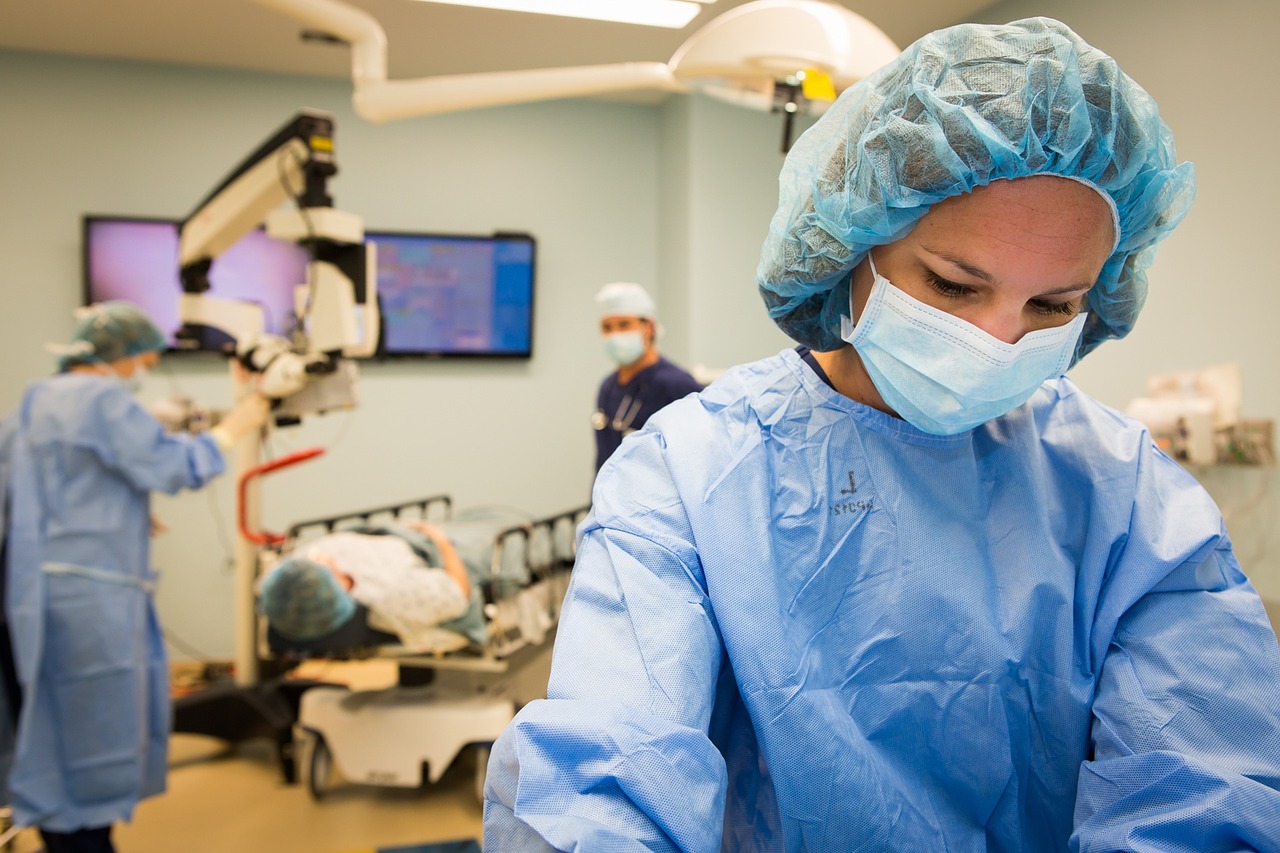
Vocational nurses help care for patients under the supervision of registered nurses and doctors. You may check vital signs, help patients with daily care, monitor patient conditions, and assist with basic medical procedures. In a vocational nursing program, you often learn about patient care, anatomy, infection control, medications, medical terminology, and basic nursing skills. Many programs also help syou prepare for the NCLEX-PN licensing exam.
Training usually includes classroom instruction along with clinical rotations. You may practice skills in labs before working in real healthcare environments during clinical training.
That real-world practice is important. Caring for patients requires communication, attention to detail, and confidence in fast-moving situations.
Vocational nursing may fit if you want to help people, work in healthcare, and build practical medical skills soon after high school.
IT and Network Training Programs
Technology jobs continue to grow. Businesses rely on networks, computers, internet systems, and cybersecurity every day. When systems stop working, companies need trained people who can solve the issue quickly. That is one reason many students look at IT training after high school.
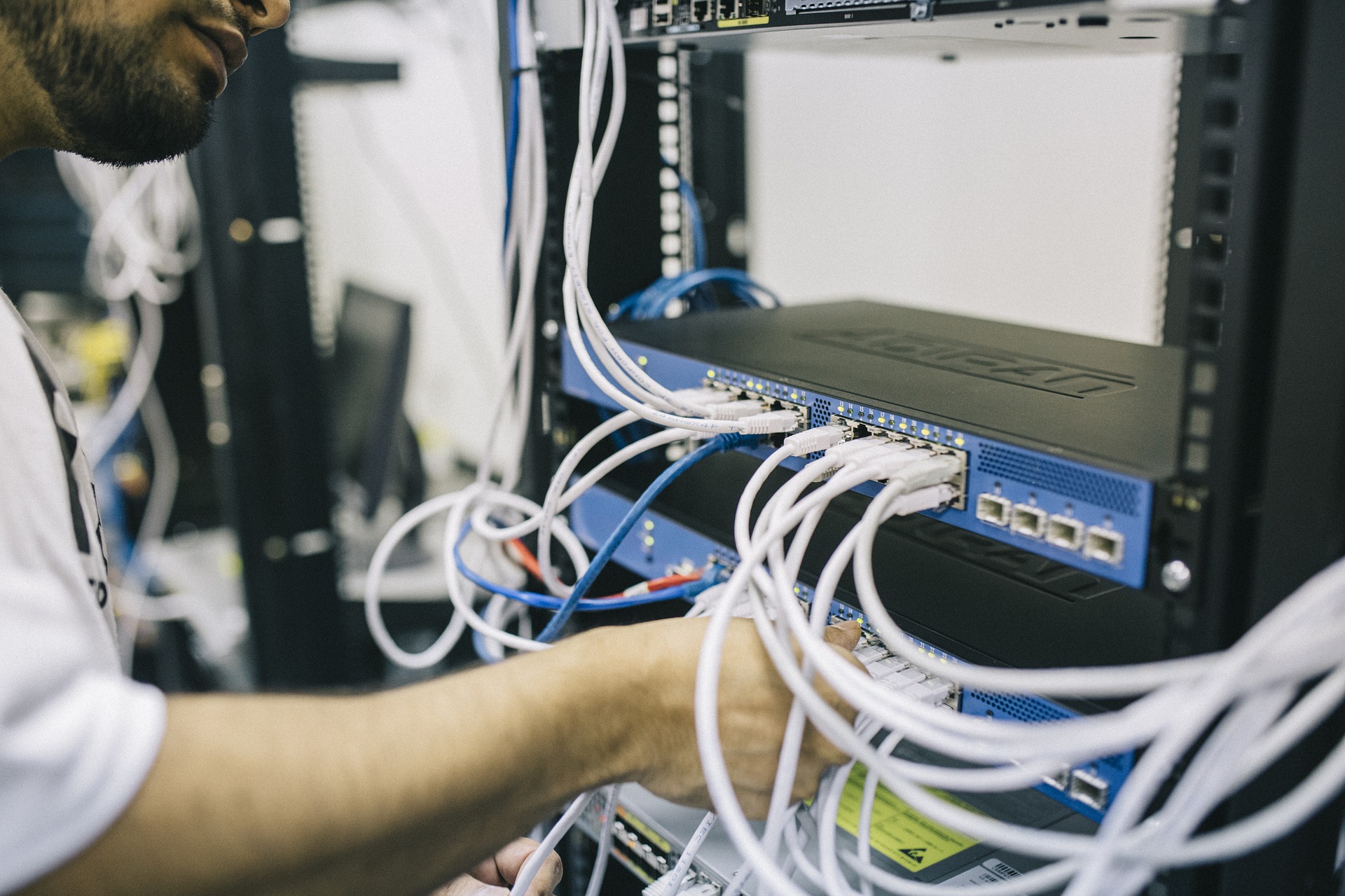
Students in network engineer programs often learn about computer hardware, troubleshooting, operating systems, networking, routers, switches, and cybersecurity basics. Hands-on labs are a major part of many IT programs. Students may build networks, troubleshoot connection problems, or work directly with hardware and systems.
IT training may fit students who enjoy computers, solving technical issues, and working with technology every day. Technology jobs can exist in many industries, including healthcare, education, retail, and business operations.
Trade School vs Traditional College
Trade school is different from a traditional four-year college. That does not mean one path works for everyone. But many students prefer a more direct career path. Trade school programs usually focus on practical training from the beginning. That can shorten the time between graduation and employment.
Some students also prefer learning through labs instead of large lecture classes. And many trade school students like having a clearer career direction early in the process.
What To Look for in a Trade School
Not every school is the same. Students should take time to research programs carefully before enrolling. A few things can help students compare schools:
- Hands-on training opportunities
- Career-focused classes
- Certification preparation
- Flexible schedules
- Student support services
- Modern lab environments
It also helps to visit the campus if possible. Walking through classrooms and labs gives students a better idea of what training may look like day to day.
Benefits of Starting Career Training After High School
Many students want a path that helps them enter the workforce sooner. Trade school can help shorten that timeline. Some benefits students often look for include:
- Faster training programs
- Practical hands-on learning
- Career-focused education
- Smaller class environments
- Skills used on the job immediately
For many students, that structure feels more focused than a traditional college experience.
Start Training for a Career at CyberTex
CyberTex Institute of Technology offers career training programs in HVAC, medical assistant, vocational nursing, and IT for students ready to start building practical skills after high school. Is attending trade school right for you? If you want practical training and a faster path into the workforce, it may be a smart next step.
Want to Learn More?
CyberTex offers short-term technical training programs in the Information Technology, Medical, Healthcare, and Construction Trades. We are a student-centric institute that equips students with workplace skills for initial employment, paving the way for desired and financially stable careers.
Contact us today to learn more about our CyberTex campuses in Austin and Killeen.
Frequently Asked Questions (FAQs)
Is trade school better than college after high school?
Trade school and college are different paths. Trade school may be a better fit for students who want career-focused training faster. Many programs focus on hands-on learning and practical job skills instead of general education classes. Students can often complete training in less time than a traditional four-year degree.
What are the best trade school programs to start after high school?
The best program depends on your interests and career goals. HVAC, medical assistant, vocational nursing and IT training are popular choices because employers continue hiring in those fields. Students who like hands-on work may enjoy HVAC training. Students interested in healthcare may prefer medical assistant or vocational nursing training. Students who enjoy technology may choose IT and network training.
How long does trade school take after high school?
Many trade school programs take far less time than a four-year college degree. Program length depends on the field and training requirements. Some students can complete career training and begin looking for entry-level jobs much sooner than they expected.
Can you get a good job after trade school?
Many trade school graduates work in healthcare, HVAC, IT, and other skilled career fields. Employers often look for people with practical training and hands-on experience. Trade school can help students build skills used in real work environments before applying for jobs.
Is hands-on training important in trade school programs?
Hands-on training is one of the biggest reasons students choose trade school. Many programs include labs where students practice real tasks used on the job. HVAC students may work on heating and cooling systems. Medical assistant students may practice clinical skills. IT students may build networks and troubleshoot computers. That practice helps students feel more comfortable entering the workforce.