


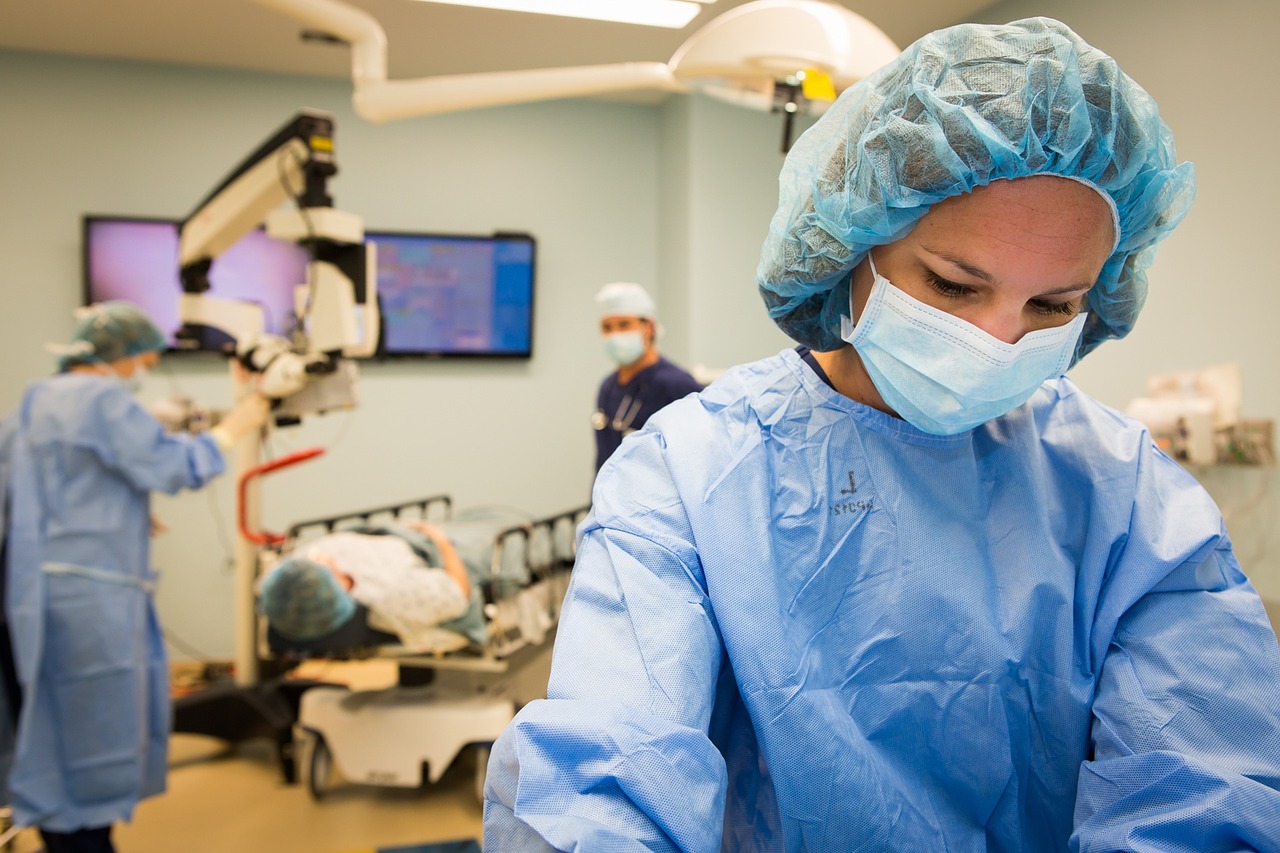

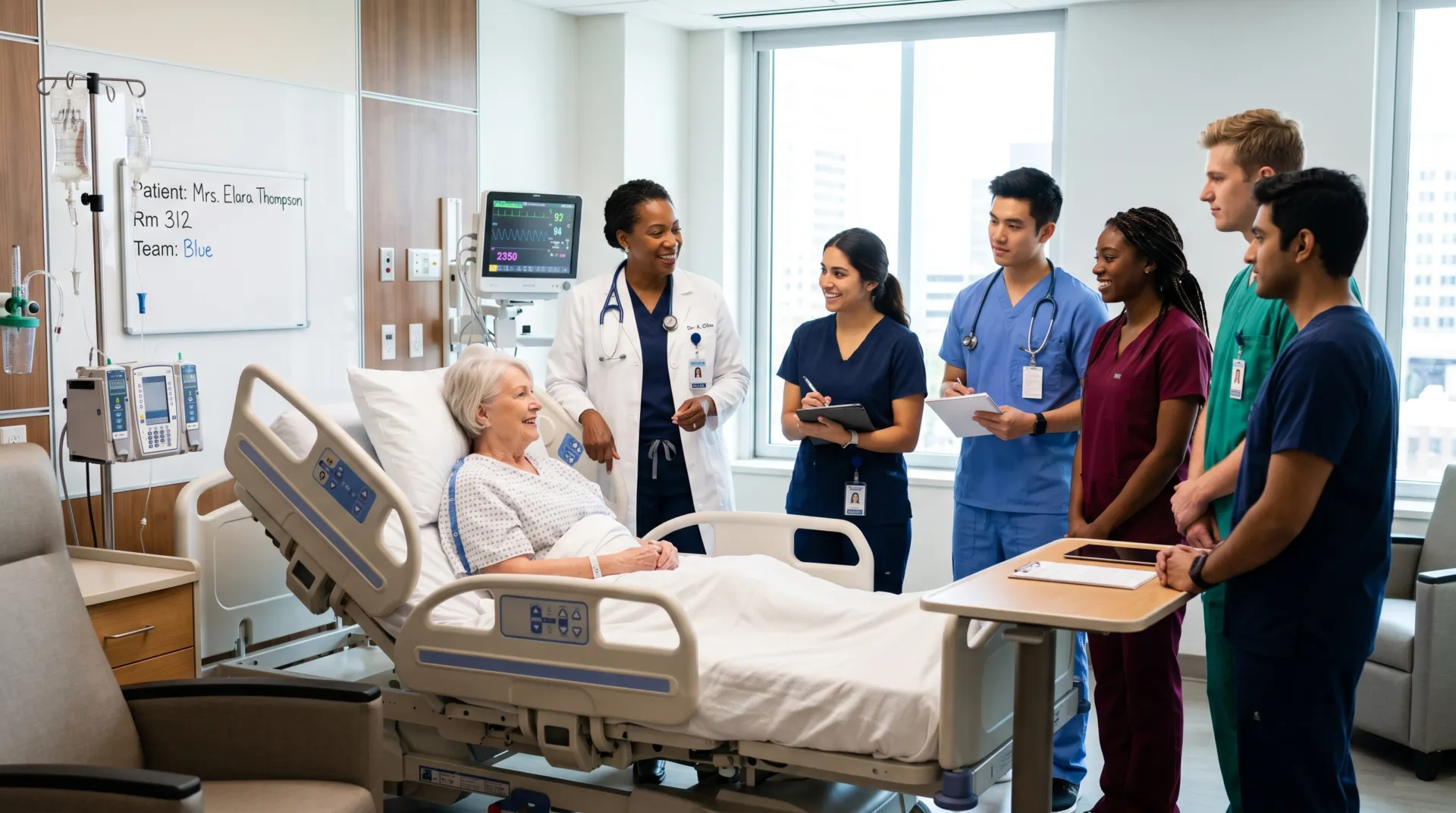
Most people don’t remember every detail of a hospital visit. They may not remember the name of a medication or exactly what happened during a procedure. But they often remember the nurse.
They remember the person who answered their questions when they felt overwhelmed. The person who checked on them during a long night. The person who helped them feel a little more comfortable during a stressful time. That’s one reason many people are drawn to nursing. The work isn’t just about healthcare. It’s about helping people when they need it most.
If you’re considering a nursing career, you’re probably wondering if it’s still a good career choice. You may be asking what the nurse job outlook looks like, what nurses actually do each day, and whether the profession is the right fit for you.
The answers are different for everyone. But understanding the realities of nursing can help you make a more informed decision about your future.
Why the Demand for Nurses Continues to Grow
If you’re researching nursing careers, one of the first things you notice is the continued demand for nurses. People are living longer than ever before. Many require ongoing care for chronic health conditions, regular medical treatment, and support during recovery. As patient needs increase, healthcare facilities need more nurses to provide care.
At the same time, many experienced nurses are retiring from the workforce. As they leave the profession, healthcare employers need trained professionals to fill those positions. Whether you visit a hospital, clinic, rehabilitation center, nursing home, or home healthcare agency, you will find nurses playing a major role in patient care.
What the Nurse Job Outlook Means for You
When people talk about the nurse job outlook, they’re referring to the expected demand for nurses over time. For you, that means healthcare employers are expected to continue hiring nurses to meet patient care needs.
People need healthcare throughout every stage of life. Patients still need treatment during strong economies and difficult ones. Because of that, healthcare providers continue to rely on trained nursing professionals. While no career comes with guarantees, nursing has remained one of the most established healthcare professions for many years.
Nursing Offers More Than One Career Path
One thing many students appreciate about nursing is the variety of career options available.
As a nurse, you may work in hospitals, medical offices, rehabilitation centers, long-term care facilities, home healthcare agencies, or specialty clinics.
You don’t need to have your entire career mapped out before you start training. Some students begin nursing school thinking they want to work in a hospital. Later, they discover they enjoy rehabilitation, long-term care, or a clinic environment. Your interests may change as you gain experience, and nursing gives you the flexibility to explore different healthcare settings throughout your career.
What Your Day as a Nurse Might Look Like
No two nursing shifts are exactly the same. Depending on where you work, you may monitor patient conditions, administer medications, assist with treatments, update medical records, and communicate with doctors and family members.
You will spend a large part of your day working directly with patients. That includes answering questions, explaining care plans, providing support, and helping patients understand their treatment.
Some days will be busy. Others may be unpredictable. Patient needs can change quickly, which is one reason many nurses find the work engaging.
What New Nursing Students Are Often Surprised By
If you’re considering nursing, you may picture the profession based on what you’ve seen on television or in movies. Real nursing is different. Patient care is a major part of the job, but so is communication. As a nurse, you spend time talking with patients, family members, doctors, therapists, and other healthcare professionals throughout the day.
You also learn that nursing involves documentation, teamwork, organization, and decision-making. A large part of nursing happens behind the scenes. Understanding this early can help you enter training with realistic expectations about what nurses actually do each day.
What You Learn About Nursing After You Start Training
Many students enter nursing school with a general idea of what nurses do. Once training begins, they often discover there is much more to the profession than they expected.
You may spend one part of your day learning how to take vital signs and another learning how to communicate with patients who are anxious, frustrated, or confused. You learn how to work as part of a healthcare team and how to prioritize patient needs when several things require your attention at the same time.
These are skills that are difficult to fully understand until you begin working with patients. As you move through training, you gain a better understanding of what nursing looks like beyond the textbook and why communication, teamwork, and sound judgment play such an important role in patient care.
The First Time You Work with Real Patients
One of the biggest moments in nursing school happens when you begin clinical training. Until then, much of your learning takes place in the classroom and lab. Clinical rotations give you the opportunity to work with real patients in healthcare settings.
You may feel nervous during your first clinical experience. Most students do. The first time a patient asks you a question or thanks you for helping them, nursing starts to feel different. You’re no longer reading about patient care. You’re providing it.
As you spend more time caring for patients and working alongside healthcare professionals, you begin building confidence in your skills and abilities. Many students say this is when nursing starts to feel real.
The Personal Side of Nursing
If you’re looking for a career where you can make a difference in someone’s life, nursing offers that opportunity every day. Ask nurses why they chose the profession and many don’t talk about job titles. They talk about people.
You may remember the patient who thanks you for helping them through a difficult day. You may remember comforting someone before a procedure or helping a patient gain confidence during recovery. Those moments often stay with nurses long after their shift ends.
What Employers Look for Beyond Nursing Skills
When you’re preparing for your first nursing job, it’s easy to focus only on grades and clinical experience. Those things matter, but employers often look for more than technical skills.
Can they depend on you to show up on time? Do you communicate well with patients and coworkers? Can you stay calm when the day becomes busy?
Healthcare employers often value professionalism, reliability, teamwork, and a willingness to learn. These qualities can help you stand out when you’re applying for your first nursing position.
Understanding the Challenges of Nursing
Before choosing any career, it’s important to understand both the rewards and the challenges.
Nursing can be physically demanding. You will spend time standing, walking, and assisting patients throughout your shift. The work can also be emotional. Some patients may be dealing with serious illnesses, injuries, or difficult life situations.
Depending on where you work, your schedule may include evenings, weekends, or holidays.
That doesn’t mean nursing isn’t a good career choice. It simply means you should understand what the profession involves before making your decision.
Opportunities for Career Growth
One thing that attracts many people to nursing is that your career doesn’t have to stay the same year after year. You might start out working with one type of patient and later discover another area of healthcare that interests you more. Some nurses enjoy the fast pace of a hospital. Others find they prefer a clinic, rehabilitation center, or long-term care setting.
As you gain experience, you learn more about what you enjoy and where your strengths fit best. Some nurses continue their education. Others take on added responsibilities or move into leadership roles.
You don’t have to have everything figured out on day one. Many nurses find their path as they gain experience and learn more about the profession.
Is Nursing a Good Career Choice?
Only you can decide whether nursing is the right fit for your goals and interests. If you enjoy helping people, working through challenges, and being part of a healthcare team, nursing may be worth exploring.
The job isn’t always easy. There will be busy days, difficult days, and moments when you’re tired and ready for your shift to end. But there will also be moments when a patient thanks you. Moments when you realize you helped someone through a difficult situation or when you leave work knowing you made a difference in someone’s day.
Those are the experiences many nurses remember most. The nurse job outlook remains strong, and healthcare employers continue to need trained professionals who can care for patients. For many people, nursing becomes more than just a job. It becomes a career where they can continue learning, helping others, and building a future they’re proud of.
Want to Learn More?
After graduating from the Licensed Vocational Nursing program, you can apply to take the National Council Licensure Examination for Practical Nurses (NCLEX-PN), become a Licensed Vocational Nurse (LVN), and start your exciting new career immediately.
Having Questions? Contact us today to learn more about our Vocational Nursing program at the Austin campus.
Frequently Asked Questions (FAQs)
What if I’m nervous about working with patients?
Most students are nervous at first. It’s one thing to learn nursing skills in a classroom and another to use them with real patients. Clinical training helps you build confidence step by step. Many students find that their comfort level grows with each clinical experience.
Do I need healthcare experience before starting nursing training?
No. Many nursing students begin training without previous healthcare experience. That’s why nursing programs include classroom instruction, skills labs, and clinical training. You will learn the fundamentals before working directly with patients.
What happens if I don’t know what type of nursing I want to pursue?
That’s common. Many students enter nursing school without knowing exactly where they want to work. Clinical experiences often expose students to different healthcare settings and patient populations, helping them discover areas that interest them most.
Will I be expected to know everything during clinical training?
No. Clinical training is a learning experience. Instructors understand that students are still developing their skills and knowledge. The goal is to learn, ask questions, gain experience, and become more comfortable working with patients over time.
What do students usually find most challenging during nursing school?
Many students say time management is one of the biggest adjustments. You will balance coursework, studying, skills practice, and clinical training. Learning how to stay organized and manage your schedule becomes an important part of the nursing school experience.